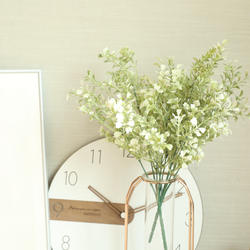
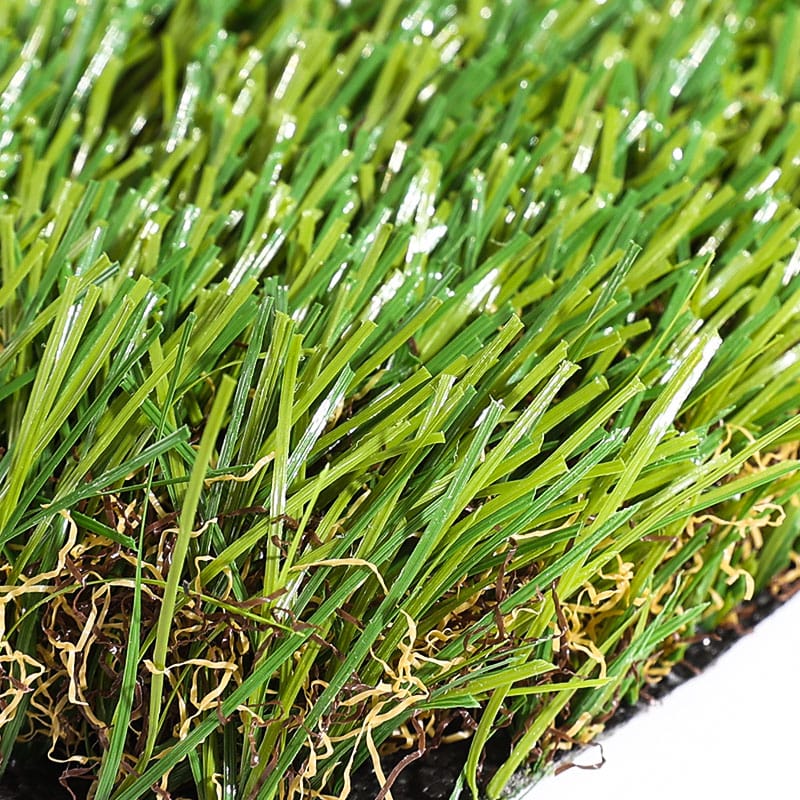
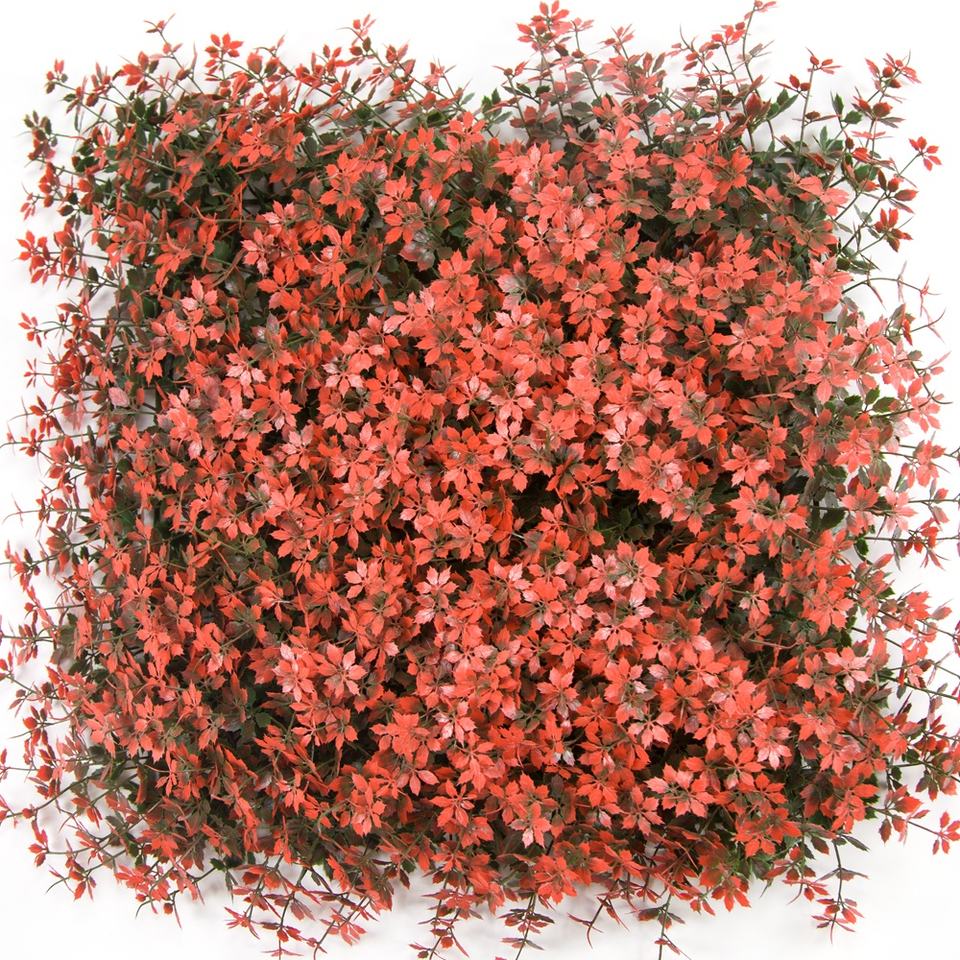
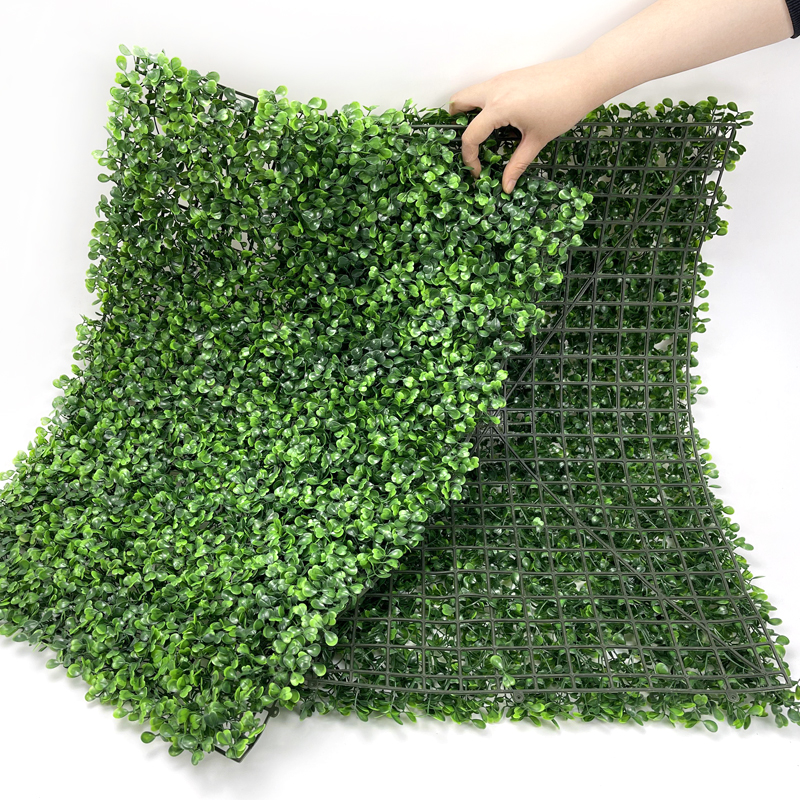
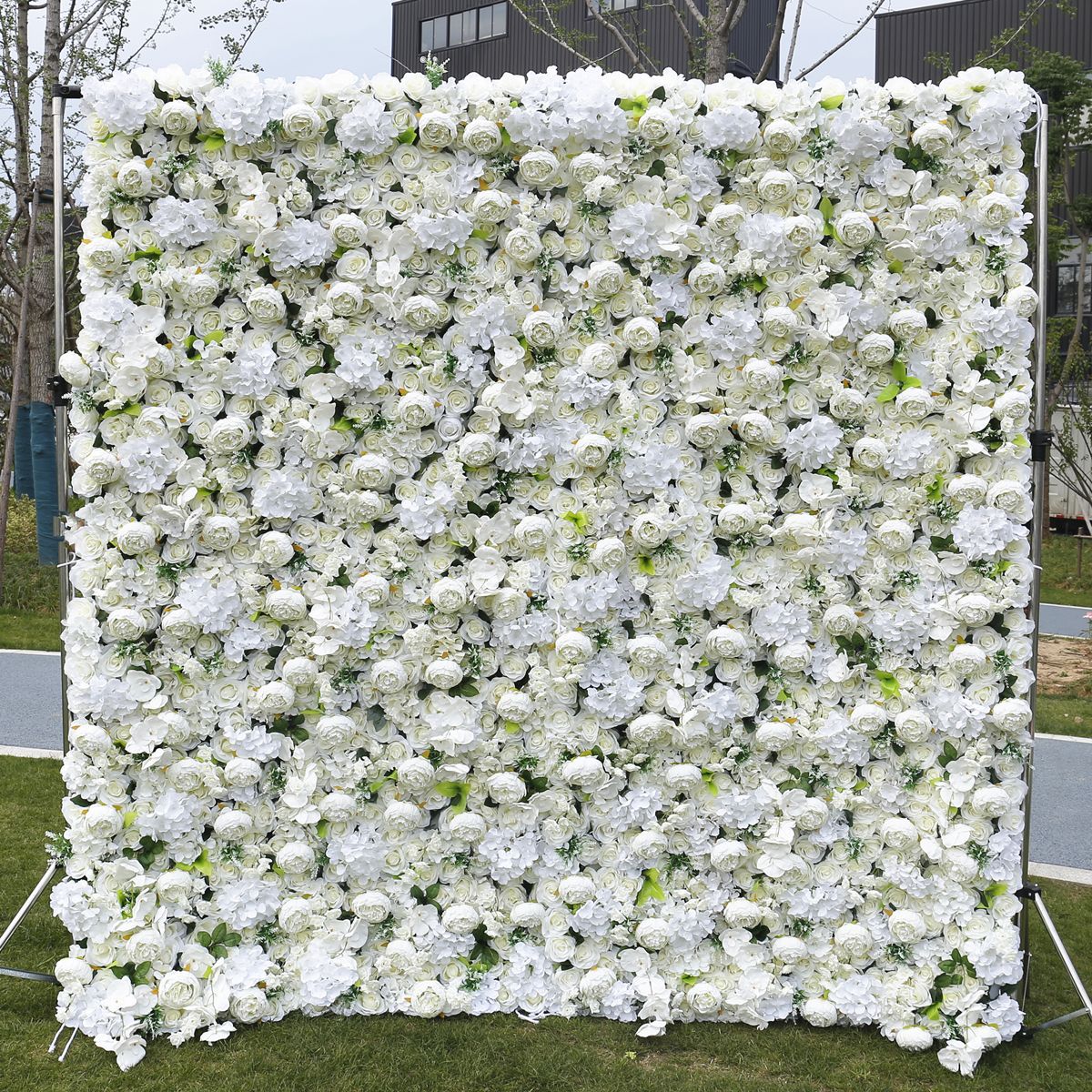
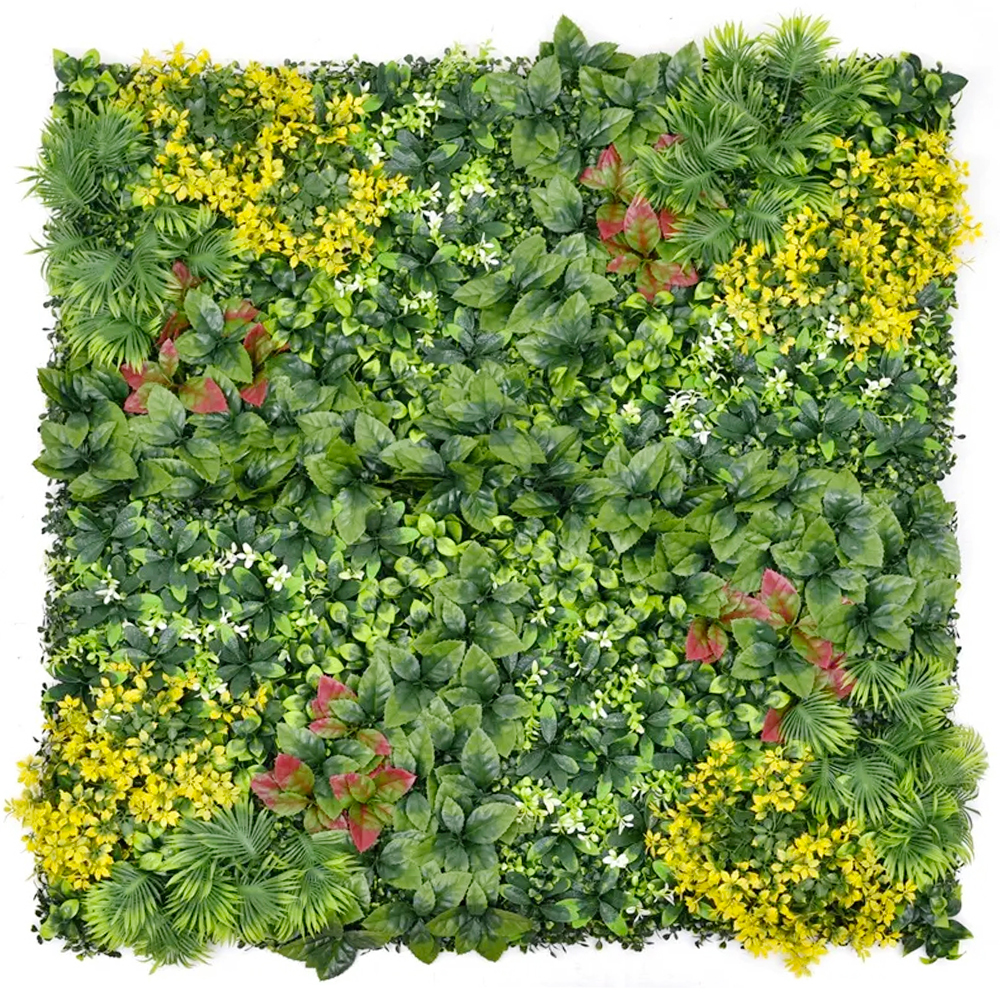
Featured Commercial Green Wall Products

The Rise of Biophilic Architecture in Commercial Landscapes
In the contemporary urban landscape, concrete structures and high-rise glass buildings dominate the horizon. While these architectural marvels represent economic progress, they often isolate human beings from the natural world. This disconnect has fueled the rapid growth of biophilic design—an innovative architectural approach that seeks to connect building occupants more closely to nature. At the forefront of this design revolution is the Vertical Green Wall for Commercial Landscape Beautification.
Vertical green walls, also known as living walls or plant walls, have transitioned from high-end architectural novelties to essential components of modern commercial design. From corporate headquarters and luxury retail outlets to hospitality venues and public transit hubs, green walls are redefining how commercial spaces interact with their visitors. By utilizing vertical surfaces, business owners and property managers can introduce lush, vibrant greenery without sacrificing valuable floor space, making it a highly efficient solution for dense urban environments.
Modern commercial spaces are no longer just places of transaction; they are experiential environments. Implementing a vertical green wall acts as a visual anchor, transforming sterile corridors into dynamic, living ecosystems that captivate clients and inspire employees.
Current Industrial Status & Global Market Trends
The global vertical green wall market is experiencing unprecedented expansion. Driven by strict environmental regulations, green building certifications (such as LEED and BREEAM), and an increasing corporate emphasis on Environmental, Social, and Governance (ESG) criteria, developers are actively seeking sustainable landscaping solutions. Historically, living walls relied entirely on real plants; however, the commercial sector has witnessed a massive shift toward high-quality synthetic and artificial green walls.
The reasons for this industrial shift are rooted in economic and operational realities. Living walls require complex, continuous irrigation systems, specialized structural support to handle wet soil weight, and constant maintenance, including pruning, pest control, and plant replacement. In contrast, advanced synthetic green walls—engineered from premium polymers like UV-resistant polyethylene—deliver the same visual impact without the associated maintenance costs, water consumption, or structural risks. Today, artificial green walls represent a multi-billion dollar segment of the commercial design industry, with manufacturers constantly innovating to produce more realistic textures, fire-retardant materials, and biodegradable components.
Our Core Commitments to Commercial Projects
Deep Application Scenarios of Vertical Green Walls in Commercial Spaces
1. Corporate Offices and Co-working Hubs
Employee wellness and productivity have become top priorities for modern enterprises. Studies show that visual contact with greenery reduces stress, lowers heart rates, and boosts cognitive function by up to 15%. Integrating a vertical green wall in reception areas, conference rooms, or open-plan offices creates a calming focal point. It softens the hard angles of office furniture and glass partitions, fostering a creative and collaborative work environment that aids in talent retention and recruitment.
2. Luxury Retail Centers and Showrooms
In the retail sector, creating an immersive, memorable brand experience is vital to driving foot traffic. High-end boutiques and shopping malls deploy artificial green walls as backdrop panels for product displays or photo-friendly "Instagrammable" zones. These green backdrops elevate the perceived value of merchandise, encourage customer dwell time, and create a strong, eco-conscious brand association that resonates with modern consumers.
3. Hospitality: Hotels, Restaurants, and Cafes
First impressions are critical in the hospitality industry. A grand, multi-story vertical green wall in a hotel lobby immediately communicates luxury, comfort, and sophistication. In restaurants and cafes, green walls serve as natural, sound-dampening acoustic barriers that enhance dining intimacy while establishing an organic, fresh aesthetic that complements culinary offerings.
4. Public Infrastructure and Exterior Facades
Exterior vertical green walls protect buildings from solar radiation, mitigating the urban heat island effect. For public spaces, transit terminals, and parking structures, large-scale artificial green walls offer an immediate cosmetic upgrade, transforming dull concrete facades into lush, green landmarks that require zero irrigation or pruning, even in harsh weather conditions.
Technological Innovation in Artificial Green Walls
The superiority of modern artificial green walls lies in their material science. At Weihai Deyuan Network Industry Co., Ltd. (WHDY), our products are engineered using advanced polymer formulations. Standard plastic foliage often degrades, fades, or becomes brittle when exposed to sunlight. WHDY's commercial-grade products feature UV-stabilizers integrated directly into the polymer chain during the manufacturing process, ensuring the foliage remains vibrant green for up to a decade, even under intense direct sunlight.
Furthermore, safety is paramount in commercial interiors. Our premium artificial plant walls can be treated with fire-retardant chemicals to meet strict local building codes and fire safety regulations. As we look to the future, WHDY is actively researching and developing biodegradable materials to create fully circular, sustainable products that align with global net-zero carbon goals, marking the next evolution in synthetic turf and foliage technology.
Company Introduction
Weihai Deyuan Network Industry Co., Ltd. (WHDY) is an experienced company which focuses on the trade of Artificial Grass and Artificial plants. Our main products include Landscaping Grass, Sports Grass, Artificial Hedge, and Expandable willow trellis. Our headquarters of import and export company is located in the scenic city of Weihai in Shandong Province, China.
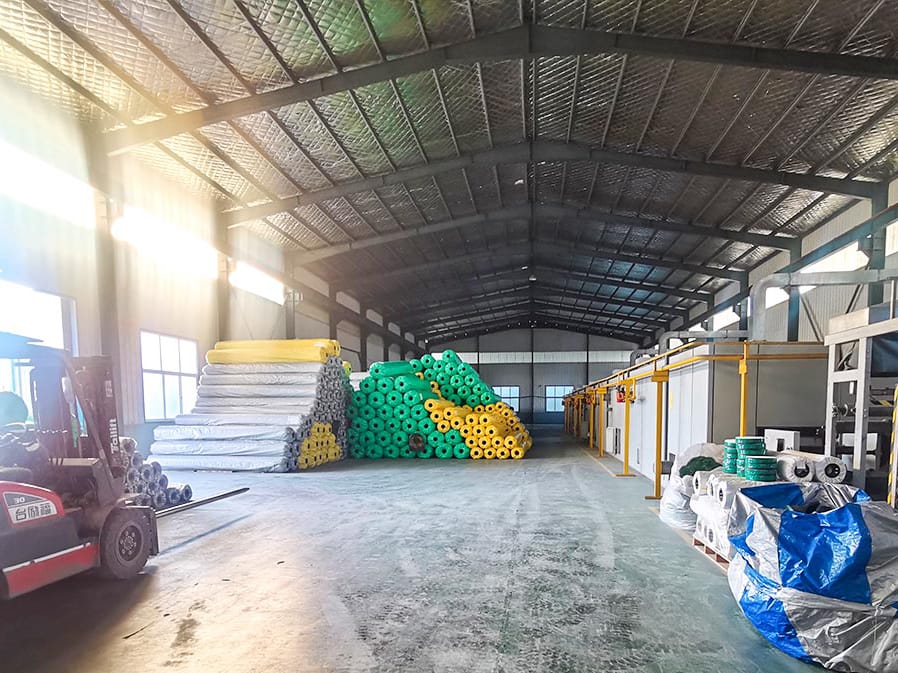
WHDY operates two main cooperative Production Plants zones. One is located in Hebei Province, and the other is situated in Shandong Province. In addition, our extensive network of cooperative factories spans across Jiangsu, Guangdong, Hunan, and other provinces. To design and provide you with a diversified and stable supply of goods is the basis and advantage of our long-term cooperation. All departments cooperate seamlessly with our production facilities, ensuring smooth link-ups that optimize client service and significantly shorten production lead times.
We maintain a robust business presence across EMEA, the Americas, and Southeast Asia. WHDY adheres strictly to the faith that clients come first. We have always focused on developing tailored marketing solutions and designs to meet the unique requirements of each local market, helping our clients gain the maximum benefit they deserve by partnering with a top-rank manufacturer.
Quality & Performance Under Pressure
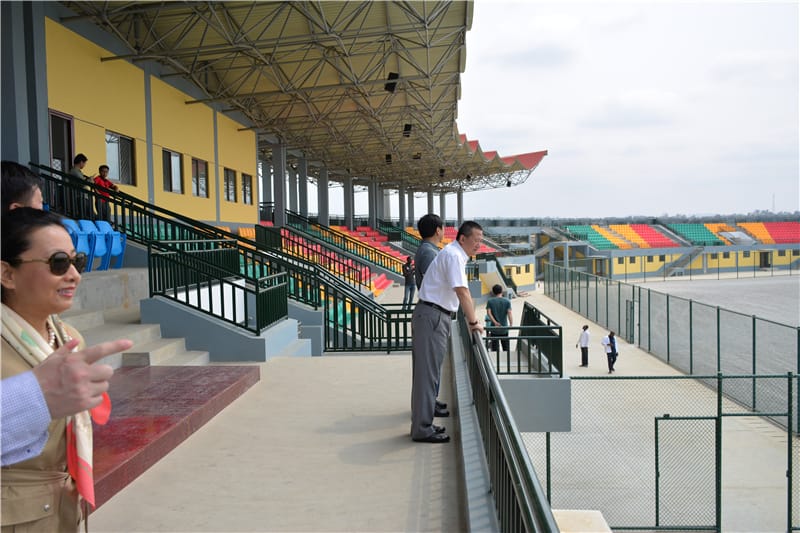
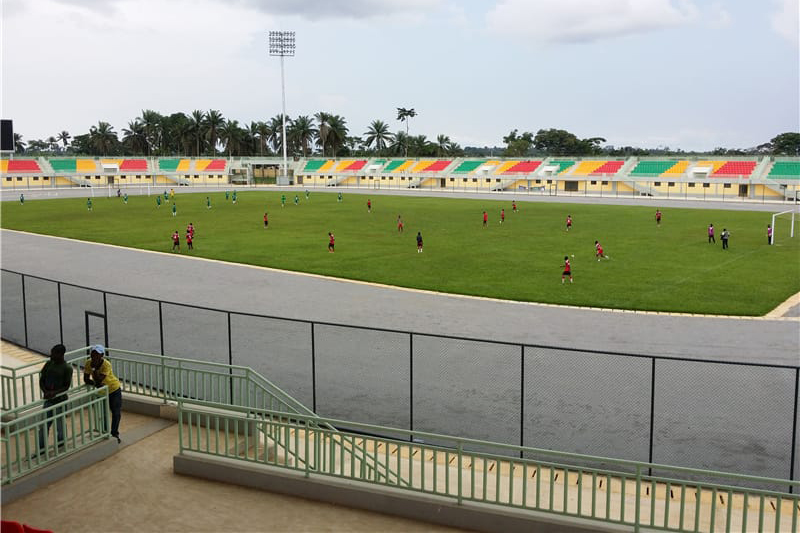
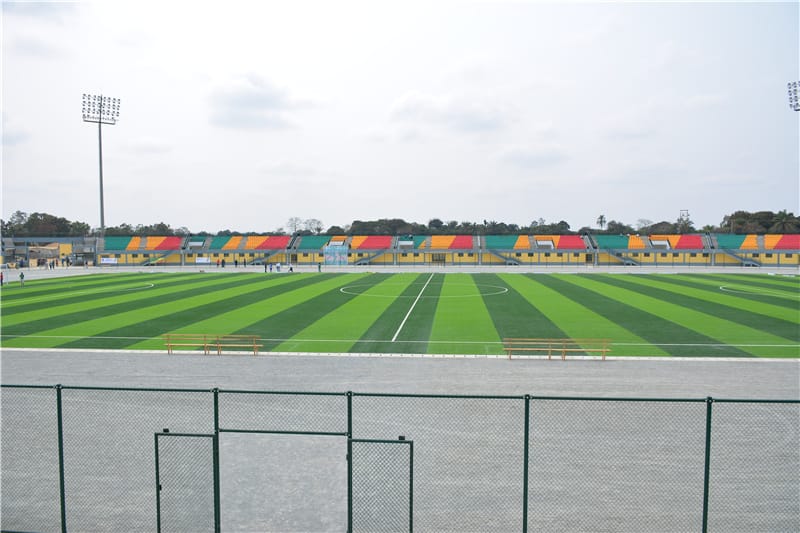
Imagine the intense wear and tear that synthetic turf fields endure on any given game day. Across the globe, WHDY's synthetic grass has been installed in countless baseball, football, and athletic fields, remaining the number one choice for professional playing surfaces for over 10 years. WHDY Lawn is celebrated for its beauty, exceptional quality, and unmatched ability to endure even the harshest conditions athletes can unleash.
Our leadership team brings a wealth of international experience. The chairman of the company has resided overseas for more than ten years, and several of our dedicated employees continue to be stationed internationally. This rich global experience enables us to deliver professional designs tailored specifically to the regional requirements and aesthetic preferences of different markets around the world.
Since its inception, the artificial lawn industry has transitioned through four distinct developmental stages. Today, WHDY's products stand at the cutting edge of the fourth stage of innovation, and we are actively working toward breakthroughs in biodegradable materials to pioneer the next generation of eco-friendly synthetic landscaping.
Factory Tour & Manufacturing Strength



Our Complete Commercial Landscaping Range