Featured Seattle Turf Solutions
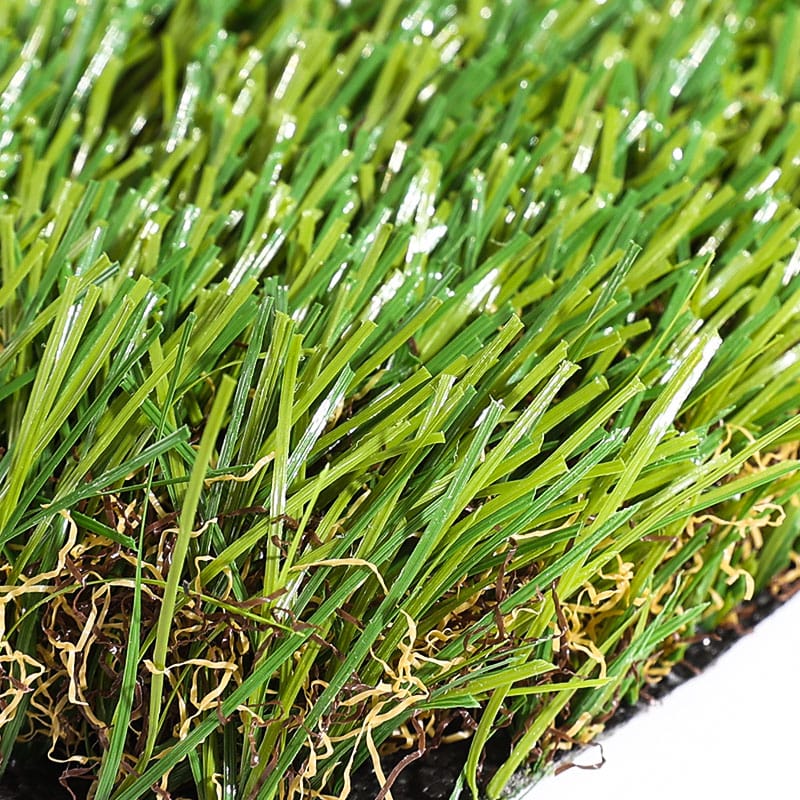
Realistic Artificial Grass Rug - Indoor Outdoor Garden Lawn Patio Balcony Synthetic Turf
view detail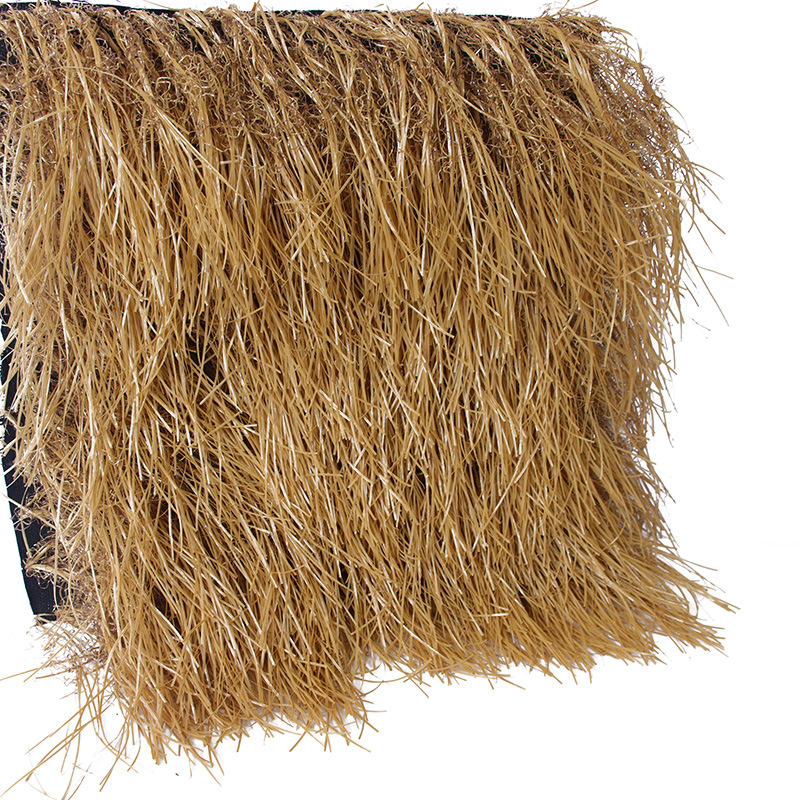
Pe Fireproof Uv Resistant Artificial Thatch 16cm Artificial Thatch Roof Plastic Thatch
view detail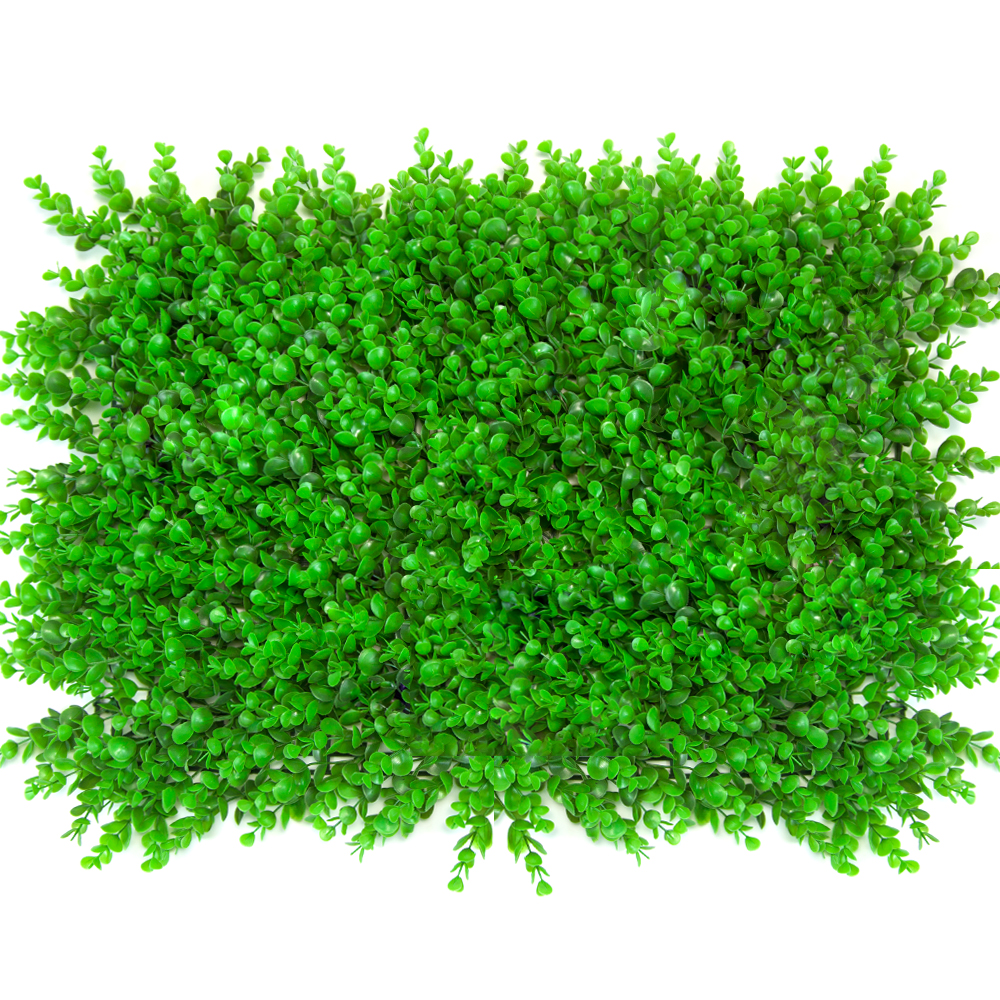
Home Backdrop Decor Simulation Milan Grass Outdoor Flower Plant Grass Wall
view detail
Wedding Tabletop Home Decor Artificial Bouquet Artificial Rose Artificial Silk Flower
view detailThe Growth of Synthetic Turf in the Seattle Metro Area
Seattle, famously dubbed the "Emerald City," is globally celebrated for its lush greenery and stunning natural landscapes. However, maintaining that signature vibrant look comes with unique regional challenges. The Pacific Northwest (PNW) weather pattern is characterized by persistent rainfall, damp winters, and increasingly dry summer spells. For homeowners and commercial property managers alike, keeping natural lawns green, mud-free, and healthy year-round is a costly and labor-intensive battle.
This climatic reality has fueled an unprecedented surge in demand for synthetic turf. Once associated primarily with professional sports arenas, artificial grass has evolved into a key component of modern urban planning, commercial landscaping, and residential yard design across Seattle, Bellevue, Tacoma, and Everett.
As Seattle prioritizes sustainable building practices and water conservation, local businesses and architectural firms are actively turning to advanced synthetic turf factories and suppliers. Modern artificial grass offers a low-maintenance, high-durability solution that eliminates the need for harmful chemical fertilizers, pesticides, and excessive summer watering, aligning perfectly with the region's progressive environmental goals.

WHDY Synthetic Turf: Our Core Strengths
At Weihai Deyuan Network Industry Co., Ltd. (WHDY), we combine global manufacturing expertise with localized design solutions to deliver top-tier synthetic grass systems. Whether you are looking for residential landscaping or heavy-duty athletic turf, our four core pillars ensure exceptional performance:
Professional Design
Key Industry Trends in the Pacific Northwest Synthetic Grass Sector
The synthetic turf industry is undergoing rapid technological evolution, driven by the demanding climates of regions like the Pacific Northwest. Seattle's unique environmental profile—plentiful rain, freezing winters, and hot, dry summers—requires high-performance materials that go far beyond standard green plastic carpet.
"The modern artificial grass market is shifting toward smart, circular-economy products. The primary focus is no longer just aesthetic realism, but advanced drainage kinetics, pet-safe antimicrobial fibers, and sustainable manufacturing loops."
WHDY continues to lead this innovation curve. Having moved past the historical stages of basic monofilament and fibrillated fibers, our current fourth-generation products utilize advanced polymer formulations. These materials are engineered to maintain their structure under intense foot traffic and resist UV degradation even during the high-solar-exposure summer months of the PNW. Furthermore, our forward-looking research and development team is focused on breakthroughs in fully biodegradable backing systems and recyclable materials to minimize the carbon footprint of future turf installations.
Another critical trend is the integration of advanced drainage technology. Standard turf can become waterlogged during heavy Seattle downpours. WHDY's modern backing designs feature high-permeability punch-hole systems and advanced backing fabrics that allow water to drain at rates exceeding 30 inches per hour per square yard, ensuring dry, usable surfaces even after a typical PNW rainstorm.

About WHDY: Weihai Deyuan Network Industry Co., Ltd.
Weihai Deyuan Network Industry Co., Ltd. is an experienced company which focuses on the trade of Artificial Grass and Artificial plants. Our main product lines include Landscaping Grass, Sports Grass, Artificial Hedges, and Expandable Willow Trellises. Our import and export headquarters are located in the coastal city of Weihai, Shandong Province, China.
WHDY operates two main cooperative production zones. One is located in Hebei Province, and the other is situated in Shandong Province. In addition, our cooperative factories span across China's leading manufacturing provinces, including Jiangsu, Guangdong, Hunan, and others. This diversified manufacturing base allows us to secure stable raw materials, maintain competitive pricing, and guarantee consistent supply chains for large-scale commercial operations in North America, EMEA, and Southeast Asia.
Our chairman has lived and worked overseas for over a decade, and we maintain an active international presence. This deep global experience enables us to design products tailored to the specific regulatory, environmental, and aesthetic requirements of different markets—including the strict eco-standards of Seattle and the broader King County area.
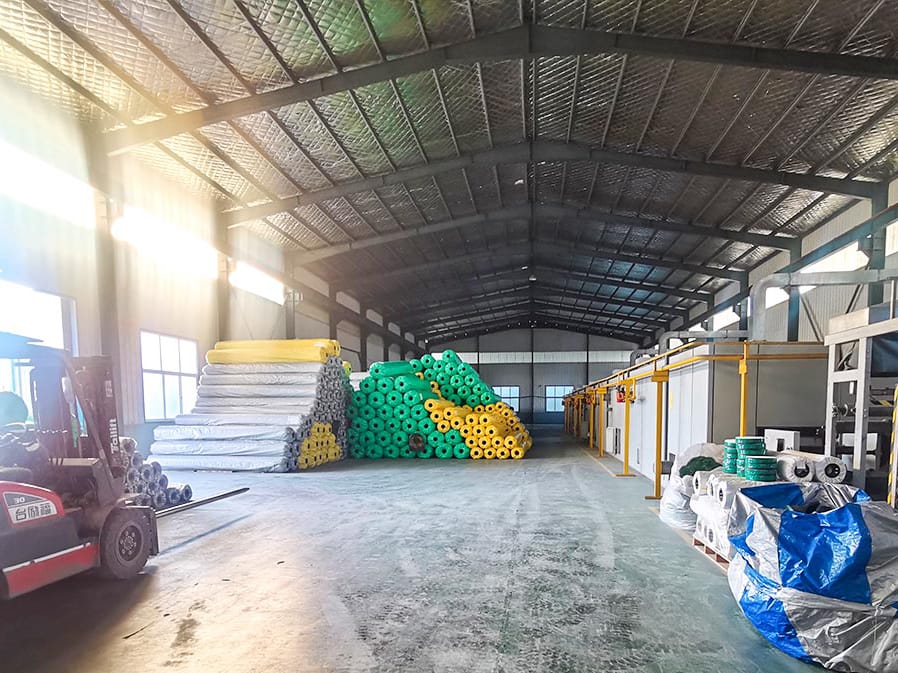
State-of-the-Art Factory Tour & Manufacturing
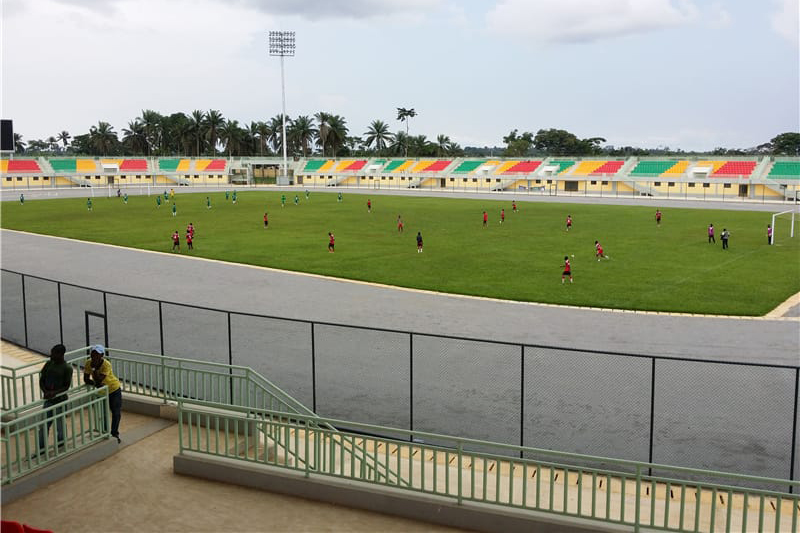
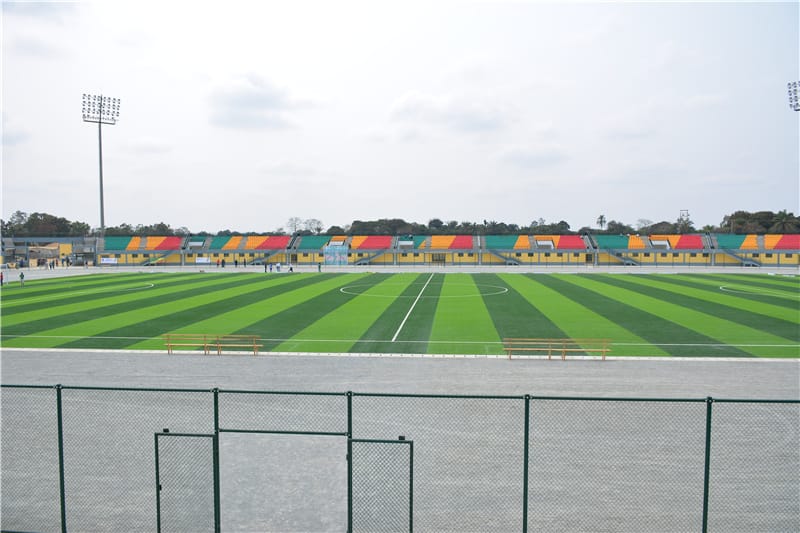
Our cooperative factories utilize advanced extrusion, tufting, and coating machinery to manufacture synthetic turf that meets rigorous global standards. From yarn production to final backing application, every step is carefully monitored to ensure maximum durability, UV protection, and environmental safety.


Localized Application Scenarios in Seattle & King County
Synthetic turf is highly versatile, serving multiple residential, commercial, and municipal purposes throughout the Puget Sound region. Here are the primary local applications driving demand:
1. Mud-Free Residential Lawns & Play Areas
For Seattle homeowners, wet weather often turns natural lawns into muddy bogs, making them unusable for children and pets for months at a time. High-quality landscape turf provides a clean, green, and mud-free outdoor space year-round, eliminating dirt tracked into homes and reducing yard maintenance tasks.
2. Pet Facilities & Dog Runs
Seattle is widely recognized as one of the most dog-friendly cities in the United States. High-traffic pet boarding facilities, veterinary clinics, and residential dog runs require turf that stands up to heavy wear, allows rapid drainage, and is easy to sanitize. WHDY's non-toxic, antimicrobial artificial grass systems are designed to withstand pet waste and frequent cleaning without degrading.
3. Commercial Rooftops & Urban Balconies
In dense urban areas like downtown Seattle, Capitol Hill, and Bellevue, rooftop gardens and balcony green spaces are highly popular. Lightweight synthetic turf allows developers to design vibrant, inviting green rooftops without the weight, structural reinforcement, and irrigation systems required by natural sod.
4. All-Weather Sports Fields & Playgrounds
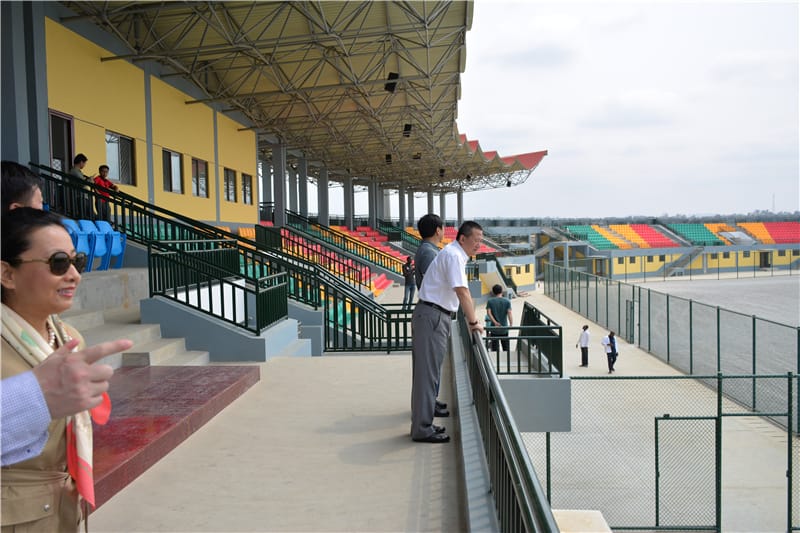
Seattle's wet climate can quickly make natural grass sports fields muddy and unsafe. Synthetic sports turf provides a durable, uniform playing surface for soccer, baseball, football, and school playgrounds, ensuring year-round use and consistent performance in all weather conditions.
Premium Global Product Catalog
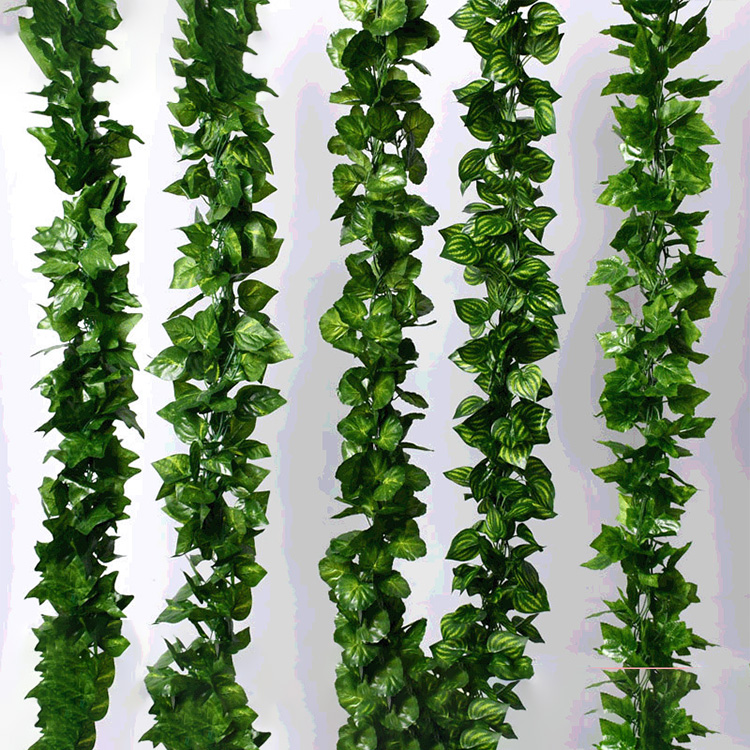
Fake Vines Fake Ivy Leaves Artificial Ivy for Wall Decor
view detail
Artificial Four Leaf Clover Bushes Faux Plastic Greenery Plant Artificial Flowers for Decoration
view detail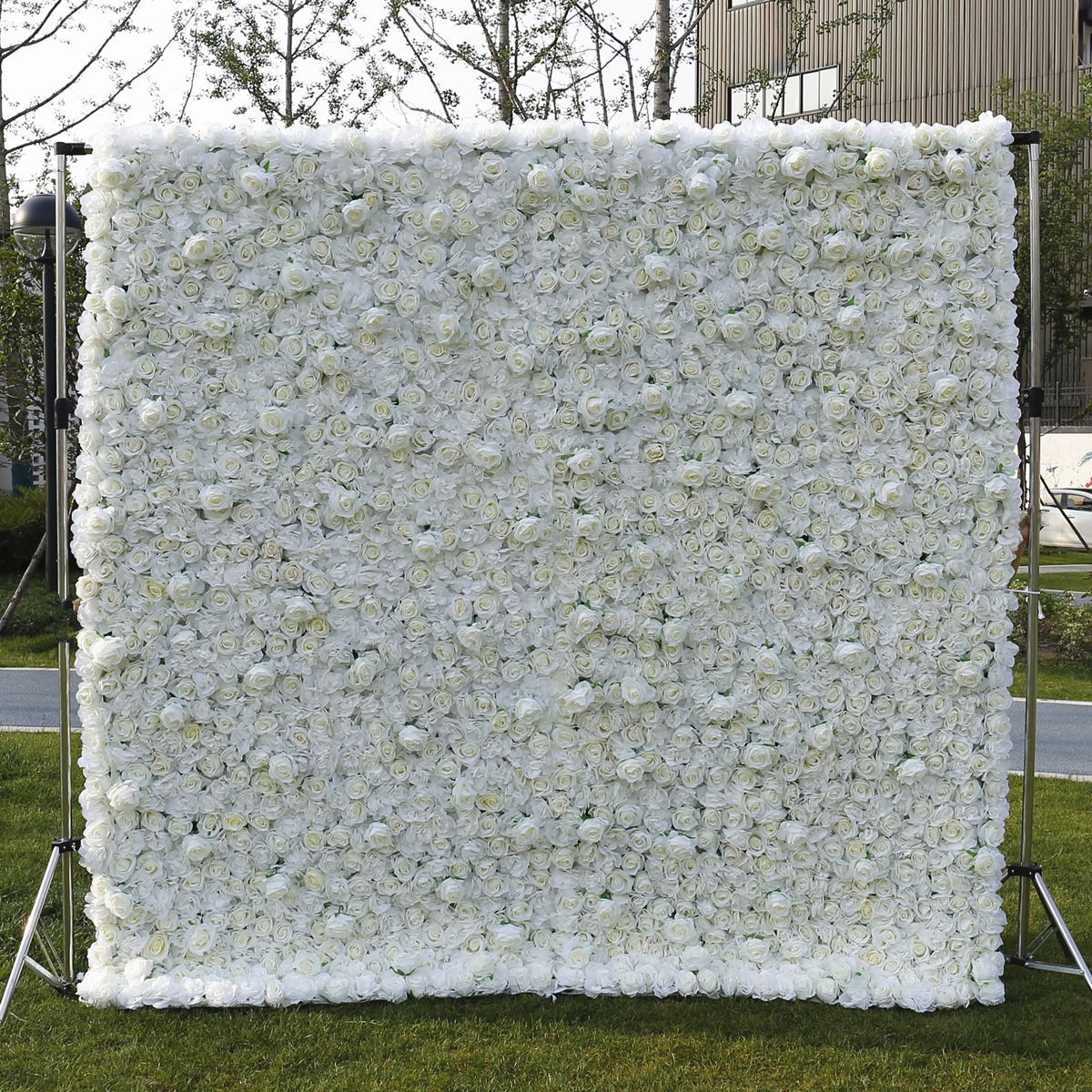
Custom 5D 3D White Rose Hydrangea Roll Up Cloth Flower Wall Wedding Decor Artificial Silk Rose Flower Panel Backdrop Flower Wall
view detail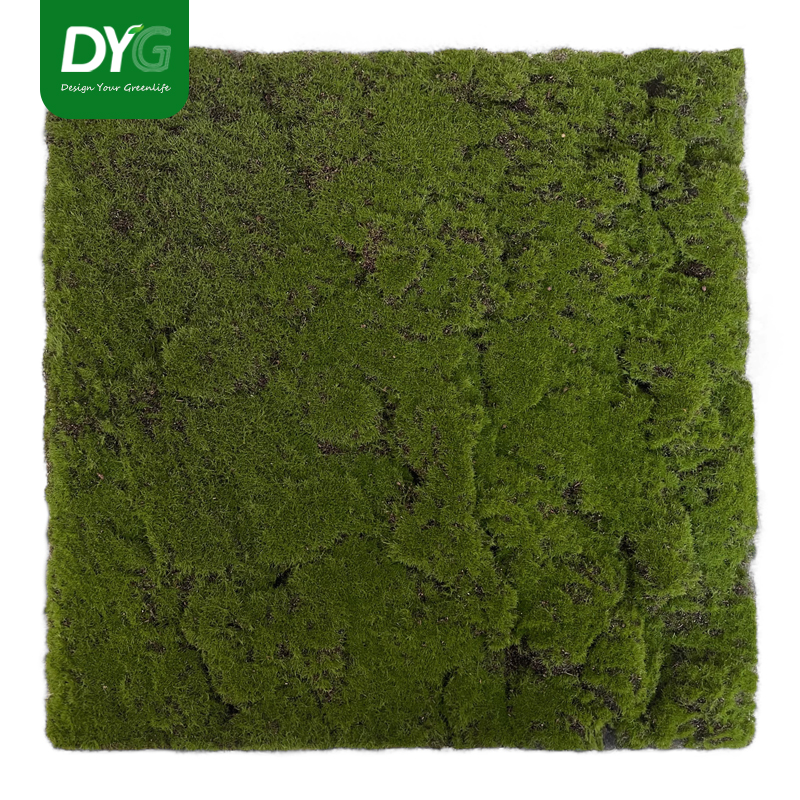
DIY Green Wall Customizable Versatile High Quality Flocked Artificial Moss Mat
view detail
40mm Landscape Artifical Synthetic Turf Roll Grass Lawn Carpet Roll Artificial Grass For Garden
view detail
Artificial Boxwood Panels, Grass Wall Panels 20″x20″, Privacy Hedge Fence Screen with UV Protection, Fake Greenery Backdrop for Indoor Wedding and Outdoor Garden Backyard
view detail
10″x10″ Grass Wall, 12PCS Artificial Boxwood Panels, 4 Layers Plant Wall, Greenery Wall Backdrop, Privacy Hedge Screen, Green Wall Decor for Outdoor Garden and Indoor Home Wedding
view detail
Factory Direct Quality Anti-Uv Synthetic Soccer Turf Grass Non Infill Football Artificial Grass For Sports Flooring
view detailExplore Our Full Range of Artificial Plants & Turf
To ensure you find the perfect match for your design or installation requirements, we offer an extensive selection of synthetic landscaping products, artificial flowers, greenery panels, and specialty turf:
Football Soccer Turf Grass Green Artificial Grass Rug Artificial Turf Grass sports flooring
view detail
Customized Sizes Artificial Grass Turf Indoor Outdoor Garden Lawn Landscape Balcony Synthetic Turf Mat – Thick Fake Grass Pet Pad
view detail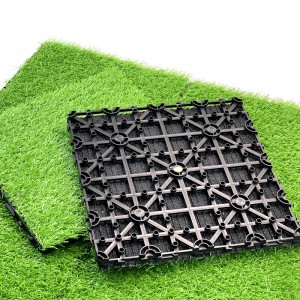
Artificial Grass Turf Tiles Interlocking Set 9 Pieces, Fake Grass Tiles Self-draining for Pet Indoor/Outdoor Flooring Decor, 12″x12″
view detail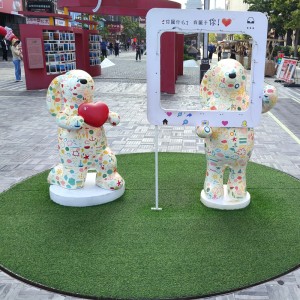
Low prices high quality custom print circular pattern artificial grass
view detail
Durable Landscape Grass Sculpture Custom Artificial Grass Covered Animal Sculpture for Park Plaza Mall Garden Decoration
view detail
5m Large Fake Palms Plant Tree Outdoor Big Faux Plant Fire Retardant Date Palm Tree Fake Artificial Coconut Trees
view detail
Artificial Grass Lawn Manufacturer Outdoor Use Synthetic Turf Garden Carpet Grass for Park Landscaping
view detail
Wholesale Plain Christmas Wreaths for Home Decoration PE Christmas Wreath 60cm Lighted Outdoor Christmas Wreaths Plain
view detail
DYG Artificial Boxwood Spiral Topiary Trees, All-Year Green Fake Plant with Replaceable Leaves for Decorative/Indoor/Porch/Garden
view detail
Faux Pampas Grass Decor 32”/80cm Tall Artificial Large Pompous Pompas Floral Fluffy Fake Plants Floor Vase Filler for Wedding Kitchen Home Boho Decorations
view detail
Wedding Greenery Wall White Green Hanging Plants Flower Wall 5D Roll up Green Walls
view detail
Hanging Greenery Round Backdrop Decorative Mur Vegetal Plant Wall Tropical Artificial Green Grass Vegetation Wall
view detail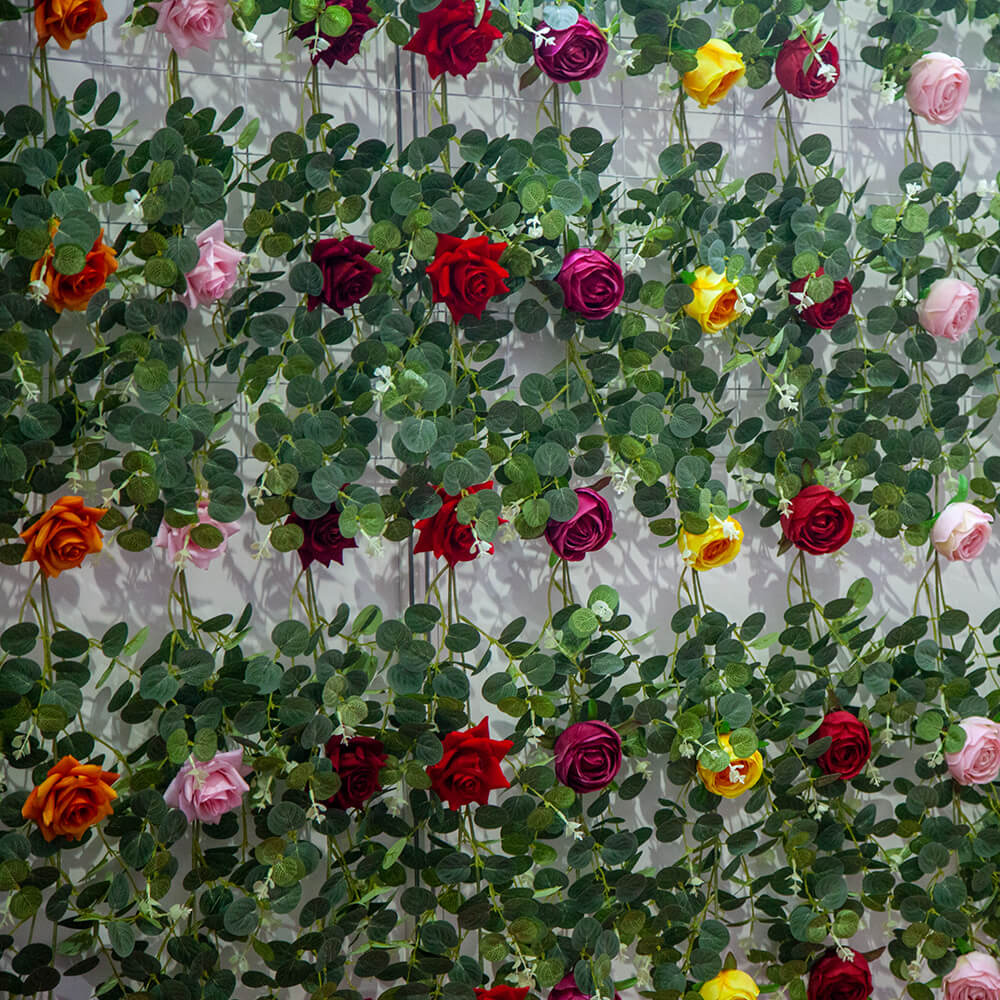
Artificial Hanging Plant
view detail
Artificial Flower
view detail
Artificial Green Wall
view detail
Artificial Turf
view detail
Artificial Trees
view detail
Artificial Topiary Ball
view detailChoosing the Right Synthetic Turf Supplier in Seattle
When sourcing artificial grass for projects in the Pacific Northwest, it is essential to look beyond pricing and focus on the technical specifications that guarantee long-term performance in Seattle's unique climate:
1. Drainage Capacity
With Seattle's frequent rainfall, drainage is the single most critical factor. Standard punch-hole backing systems are effective, but advanced backing materials offer superior permeability. Ensure your supplier provides drainage metrics that match the expected rainfall intensity of your site.
2. UV Protection & Colorfastness
Although Seattle is known for rainy winters, summer sun can be intense. Without proper UV stabilizers integrated during the extrusion process, synthetic grass fibers can become brittle and fade. WHDY's products include built-in UV inhibitors to keep lawns looking vibrant and green for years.
3. Pile Height and Face Weight
The ideal pile height and weight depend on the application. For high-traffic pet areas or sports fields, a shorter, denser pile (around 30mm to 35mm) with a high face weight is recommended for easier cleaning and resilience. For residential landscaping where a lush, natural look is preferred, a taller pile height (40mm or above) is often the best choice.
4. Eco-Friendly and Safe Materials
Environmental safety is a top priority for Seattle consumers. WHDY's synthetic turf is manufactured to be non-toxic, lead-free, and safe for both children and pets. Additionally, our ongoing research into biodegradable backings reflects our commitment to bringing more sustainable products to the global market.