Innovative Courtyard Ground Layout Solutions
Premium synthetic solutions engineered for modern residential and commercial landscape layouts


The Global Evolution of Synthetic Turf in Courtyard Ground Layouts
In contemporary landscape architecture, the courtyard has evolved from a simple outdoor buffer zone into a critical architectural focal point. Whether in urban residential complexes, luxury commercial hotels, corporate campuses, or modern public plazas, designing an optimal courtyard ground layout requires balancing aesthetic longevity, environmental sustainability, and functional durability. Synthetic turf has emerged as the premier material choice to meet these requirements. Globally, the commercial and industrial landscape for synthetic turf is undergoing a massive transformation, driven by breakthroughs in polymer chemistry, eco-friendly manufacturing, and smart urban design.
Commercial and Industrial Landscape: A New Paradigm
The industrial landscape of synthetic turf is no longer limited to basic plastic grass rolls. Today, it is a multi-billion dollar sector integrated with advanced materials science and architectural engineering. Commercial developers, landscape architects, and urban planners are increasingly substituting natural lawns with high-performance synthetic turf systems. In commercial courtyards, natural grass often struggles to survive due to shade cast by tall buildings, restricted air circulation, and intense foot traffic. Synthetic turf bypasses these biological limitations, offering a vibrant, green surface 365 days a year. Industrially, the manufacturing of synthetic turf has matured to support high-density weaving, multi-toned blade extrusion, and custom-engineered backings that optimize water drainage and structural integrity.
Key Industry Trend: Smart Microclimate Integration
Modern commercial projects are incorporating synthetic turf layouts that actively contribute to the microclimate control of buildings. Advanced heat-reflective technologies embedded in the turf fibers help mitigate the Urban Heat Island (UHI) effect, keeping courtyard temperatures significantly lower than traditional concrete or asphalt surfaces.
Global Growth Trends (2024–2030)
The global demand for synthetic turf in courtyard ground layouts is projected to grow exponentially over the next decade. This growth is heavily driven by three macro-trends:
- Water Scarcity and Conservation: Government regulations and environmental initiatives worldwide are restricting water usage for decorative landscaping. Synthetic turf eliminates the need for irrigation, saving millions of gallons of water annually for large-scale commercial properties.
- LEED and Green Building Certifications: Modern developments aim for sustainability ratings. The inclusion of recyclable synthetic turf layouts, which reduce chemical runoff (from fertilizers and pesticides), contributes significantly to securing environmental certifications.
- The Rise of Multi-functional Spaces: Urban courtyards are now expected to serve multiple purposes. A single layout might host corporate events during the day, family recreational activities in the evening, and pet-friendly zones. Synthetic turf provides the resilience needed to support these diverse activities without degradation.
Deep Dive: Advanced Application Scenarios in Courtyard Design
Designing a courtyard ground layout with synthetic turf requires an understanding of the specific application scenario. Different environments demand distinct turf specifications, pile heights, densities, and infill materials.
1. Minimalist Urban Residential Courtyards
In dense urban centers, residential courtyards are typically compact and surrounded by high walls. Natural sunlight is scarce, making natural grass maintenance impossible. A synthetic turf layout combined with geometric concrete pavers creates a clean, minimalist aesthetic. The contrast between the organic texture of the grass and the sharp lines of stone or concrete enhances the visual depth of small spaces, creating a private green sanctuary for urban dwellers.
2. High-Traffic Commercial & Hospitality Plazas
For hotels, shopping centers, and office parks, courtyards serve as social hubs. These ground layouts must withstand heavy foot traffic, outdoor furniture placement, and occasional events. Heavy-duty commercial-grade synthetic turf with high density and short pile height (typically 25mm to 35mm) is ideal here. It maintains pile recovery (standing upright) even under constant pressure and resists wear and tear.
3. Pet-Friendly Courtyard Zones
In residential communities and pet-friendly commercial properties, courtyards must be designed with sanitation in mind. Natural grass gets easily destroyed by pet waste and digging. Specialized pet turf layouts feature fully permeable, non-absorbent backing systems combined with antimicrobial infills. This ensures rapid drainage of liquids, prevents odor buildup, and allows for easy cleaning and sanitization.
4. Multi-Sport & Recreational Courtyards
An emerging trend in luxury residential courtyards is the integration of recreational sports elements. Home putting greens, bocce ball courts, and mini-soccer areas are seamlessly blended into the overall landscape layout. By utilizing specialized sports turf (like short-pile texturized nylon for putting greens and durable polyethylene for sports play), designers can create beautiful, dual-purpose spaces that encourage active living.
Technological Evolution: The Four Stages of Artificial Grass
Artificial lawn technology has undergone extensive innovation since its inception. Understanding these developmental stages helps buyers and designers make informed decisions regarding modern courtyard layouts.
First Generation
Short, stiff nylon fibers without thatch. These early versions were highly abrasive, faded quickly under sunlight, and lacked the visual realism required for residential landscaping.
Second Generation
Introduced longer polypropylene fibers and sand infill. While it offered improved stability and playability for sports, it still lacked the soft, natural texture required for home courtyards.
Third Generation
Incorporated soft polyethylene fibers, thatch layers (curly, brown-toned fibers simulating natural dead grass), and rubber infill. This generation revolutionized the market with realistic aesthetics.
Fourth Generation
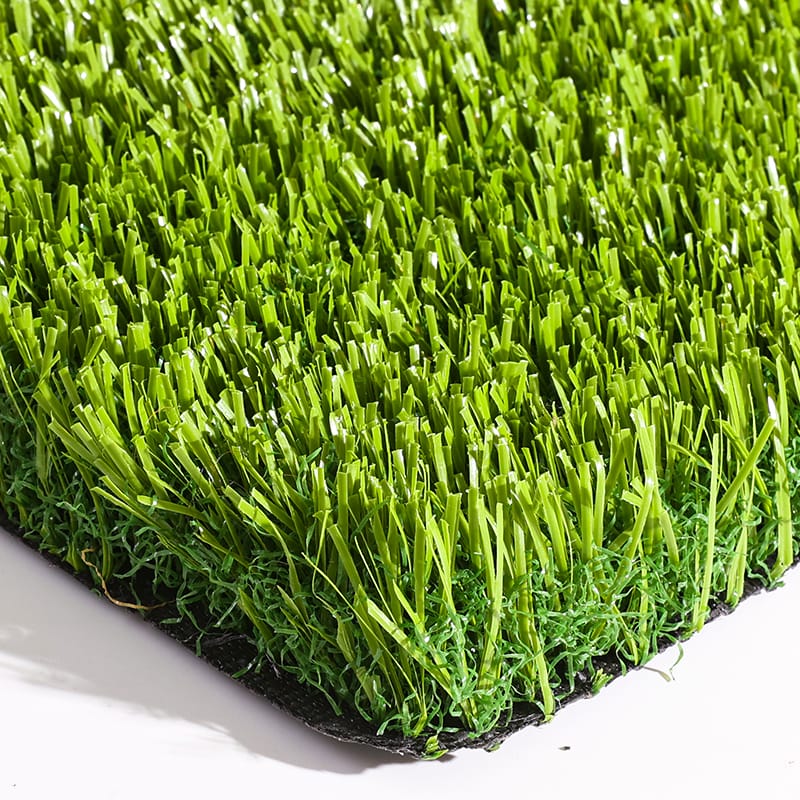
Focuses on advanced polymer engineering, non-infill options, heat-reflective technology, and enhanced UV stabilizers. WHDY's products represent this pinnacle of innovation, with future breakthroughs in biodegradable materials.
About Weihai Deyuan Network Industry Co., Ltd. (WHDY)
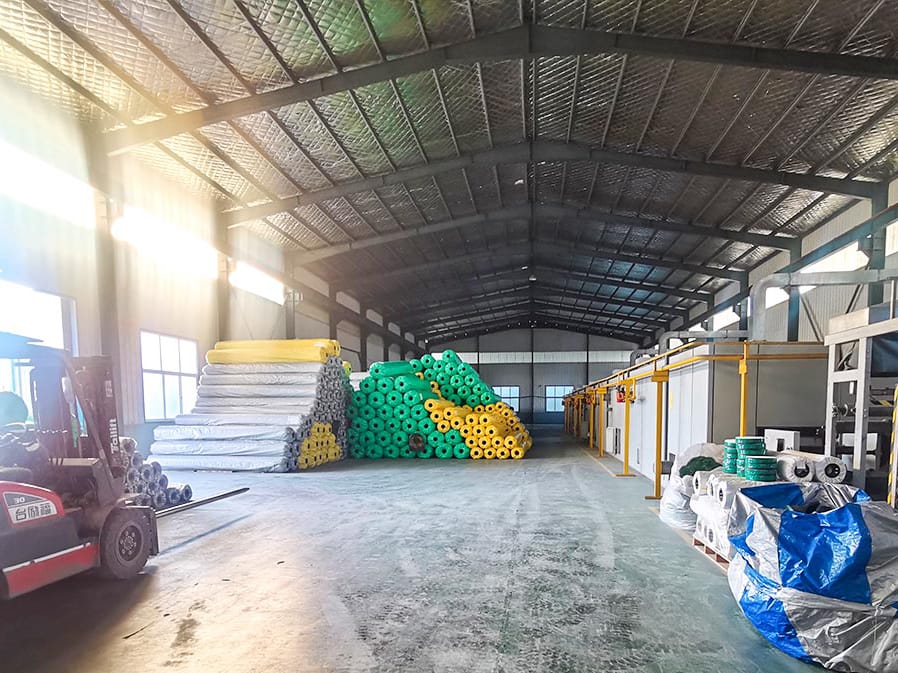
Weihai Deyuan Network Industry Co., Ltd. is an experienced company which focuses on the trade of Artificial Grass and Artificial plants. The mainly products are Landscaping Grass, Sports Grass, Artificial Hedge, Expandable willow trellis. Our headquarters of import and export company located in Weihai of Shandong Province, China. WHDY has two main cooperative Production Plants zone. One is located at Hebei Province. The other one located at Shandong Province. In addition, our cooperative factories all over Jiangsu, Guangdong, Hunan and other provinces.
To design and provide you with diversified and stable supply of goods is the basis and advantage of our long-term cooperation. All departments cooperate well with production department and having smooth link up, which can give our clients nice service and shorten production time.
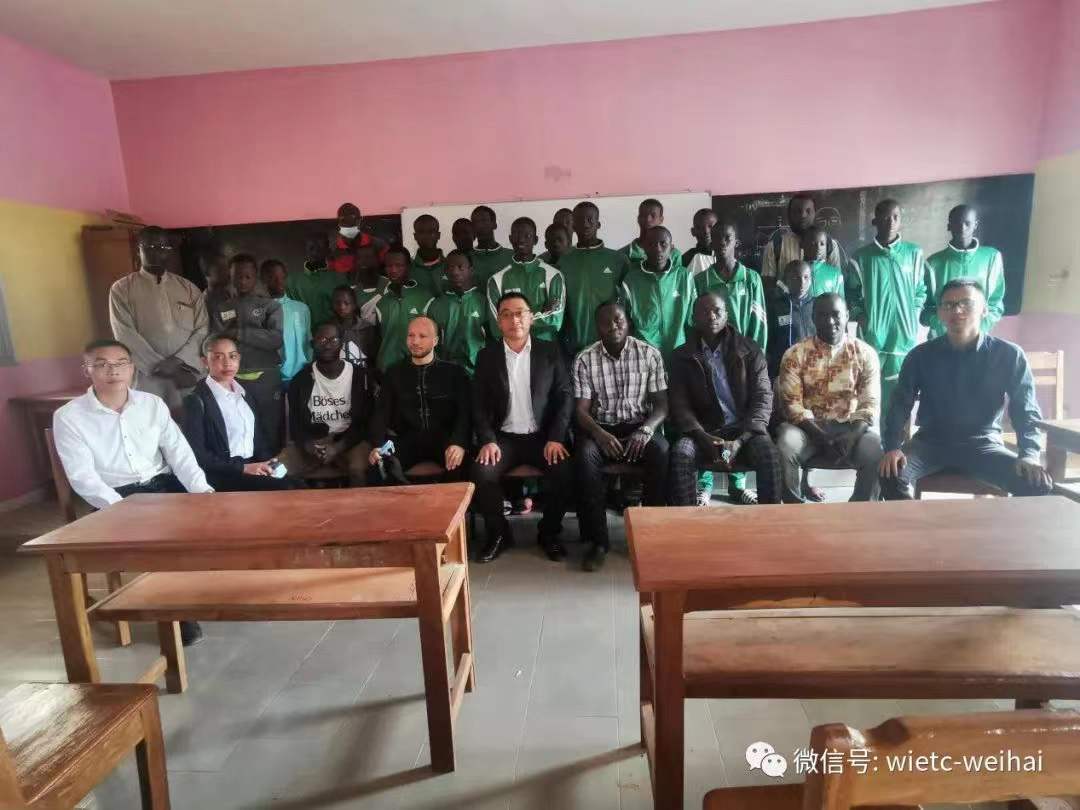
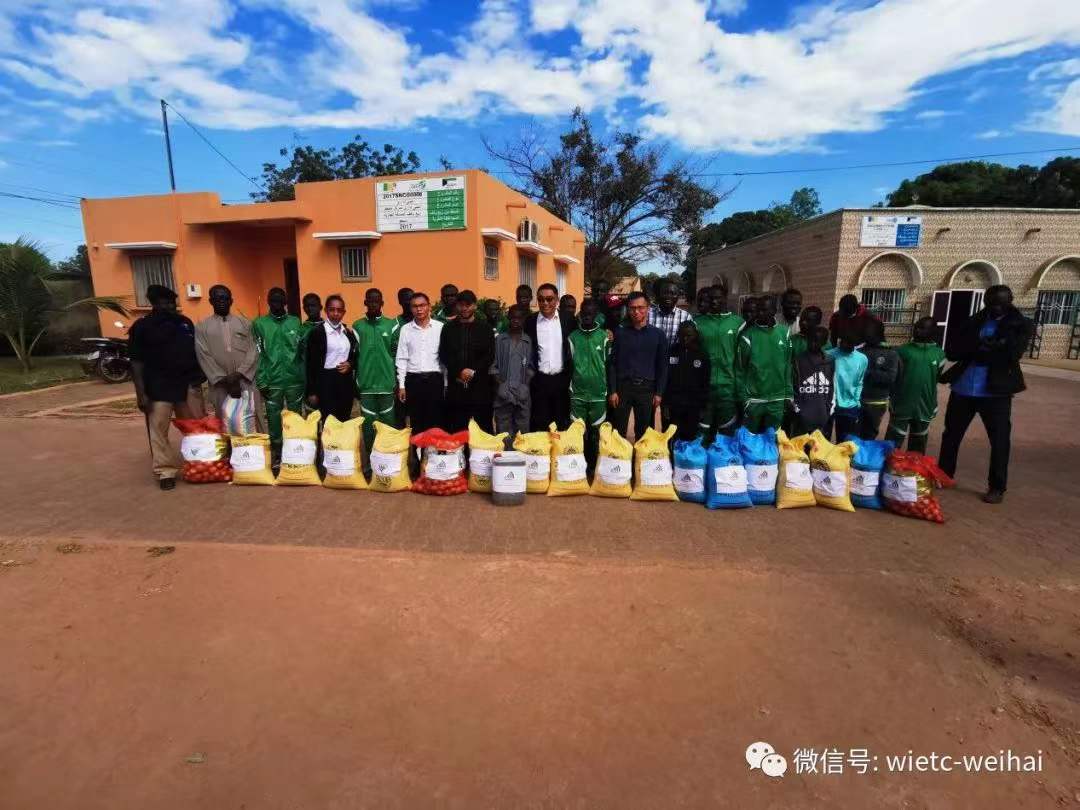
We have business in EMEA, America, and South-east Asia etc. WHDY adheres to faith that clients are first and has always been focusing on different marketing solutions and designs to meet the unique needs of each different market to help its clients to gain the maximum benefit that they deserve by cooperating with a top rank manufacturer.
Uncompromising Quality & Global Experience
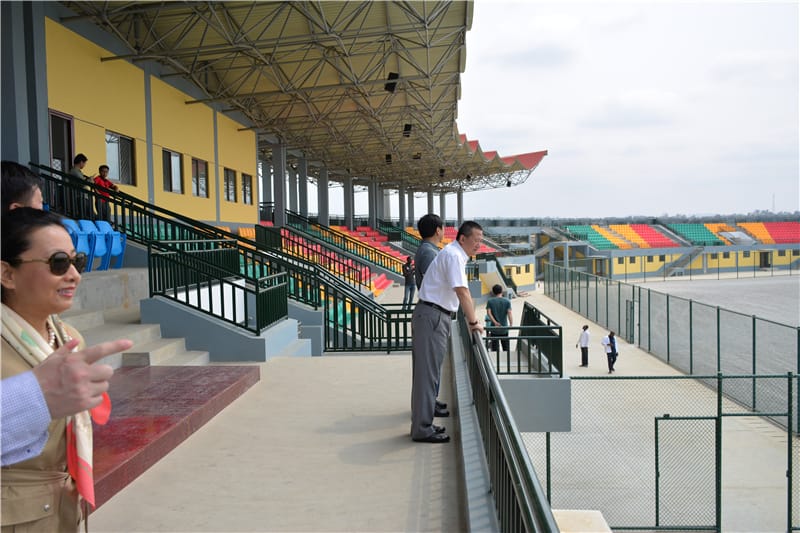
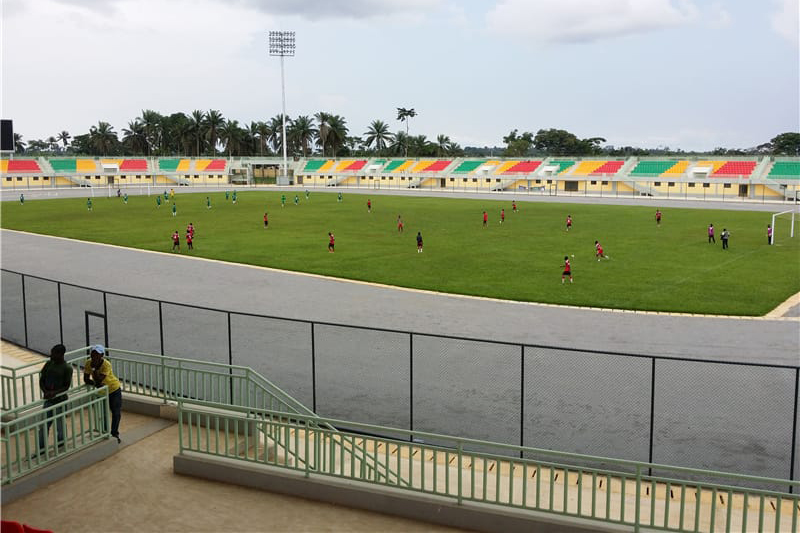
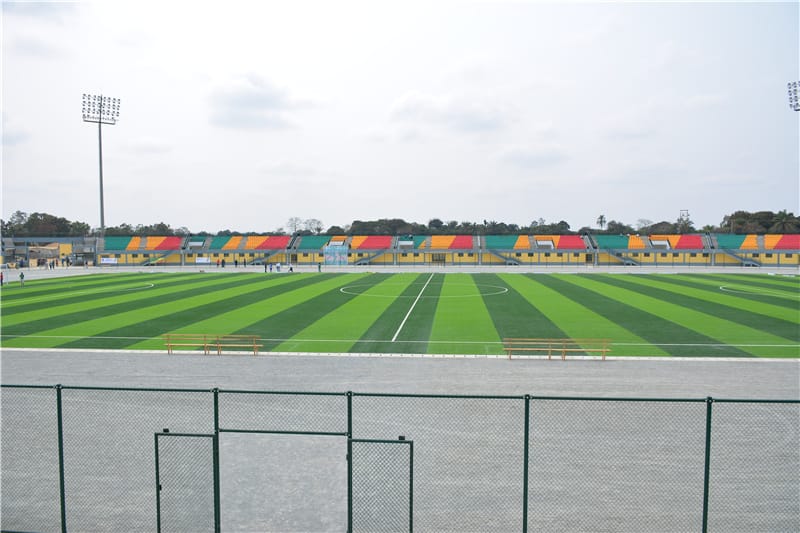
Imagine the punishment our synthetic turf fields take on any given game day. At any of the number of synthetic grass baseball, football, and athletic fields installed around the world. WHDY continues to be the number one choice of playing field grass over the last 10+ years. WHDY Lawn is known for beauty, quality and ability to endure even the harshest punishment athletes can unleash.
The chairman of the company has been resident overseas for more than ten years, and now some employees are still resident overseas. Our rich overseas experience enables us to have professional design for product features required by different regions.
Sustainable Future
Artificial lawn has gone through four stages of development since its birth. At present, the products of WHDY are in the fourth stage and are constantly innovating, and we hope to make breakthroughs in biodegradable materials in the future.
Factory Tour & Facilities


Why Partner With WHDY?
Our commitment to quality, service, and design innovation
Professional Design
Good Quality
Various Products
Our Extensive Product Range
Explore our wide selection of synthetic turf and artificial plants


Engineering a Flawless Courtyard Ground Layout with Synthetic Turf
A successful synthetic turf installation in a courtyard relies on precise engineering and preparation. Unlike open fields, courtyards present unique structural challenges, including confined boundaries, drainage limitations, and varied sub-base requirements.
1. Sub-Base Preparation and Excavation
The foundation is the most critical element of any synthetic turf layout. Proper excavation (typically 75px to 100px deep) is required to remove organic soil and grass. A geotextile weed barrier is then laid to prevent weed growth while allowing water to pass through. The excavated area is filled with a crushed stone aggregate base, which is compacted to create a stable, flat, yet porous foundation. This base prevents shifting, sinking, and uneven surfaces over time.
2. Advanced Drainage Engineering
In enclosed courtyards, water accumulation can lead to mold, odor, and structural damage. Synthetic turf designed for courtyard layouts must feature high permeability. Modern backing technologies, such as polyurethane coatings with pre-punched drainage holes or fully permeable backing fabrics, allow water to drain at rates exceeding 750px per hour per square yard. This ensures that even during heavy downpours, the courtyard remains dry and usable.
3. Edging and Secure Seaming
To maintain a seamless and natural appearance, the edges of the synthetic turf must be securely anchored. Landscape designers use heavy-duty composite or metal bender boards, concrete curbing, or timber borders to lock the turf in place. Seaming tape and high-strength outdoor turf adhesive are applied to join turf rolls together, ensuring that seams are completely invisible and resistant to pulling or lifting.
Design Pro-Tip: Infill Selection
Choosing the right infill is crucial for courtyard layouts. Silica sand is the standard choice for stabilizing turf fibers and keeping them upright. For pet owners, antimicrobial acrylic-coated sand is recommended to eliminate bacteria and neutralize odors. For play areas, organic infills like cork or coconut husk provide excellent cushioning and natural cooling properties.
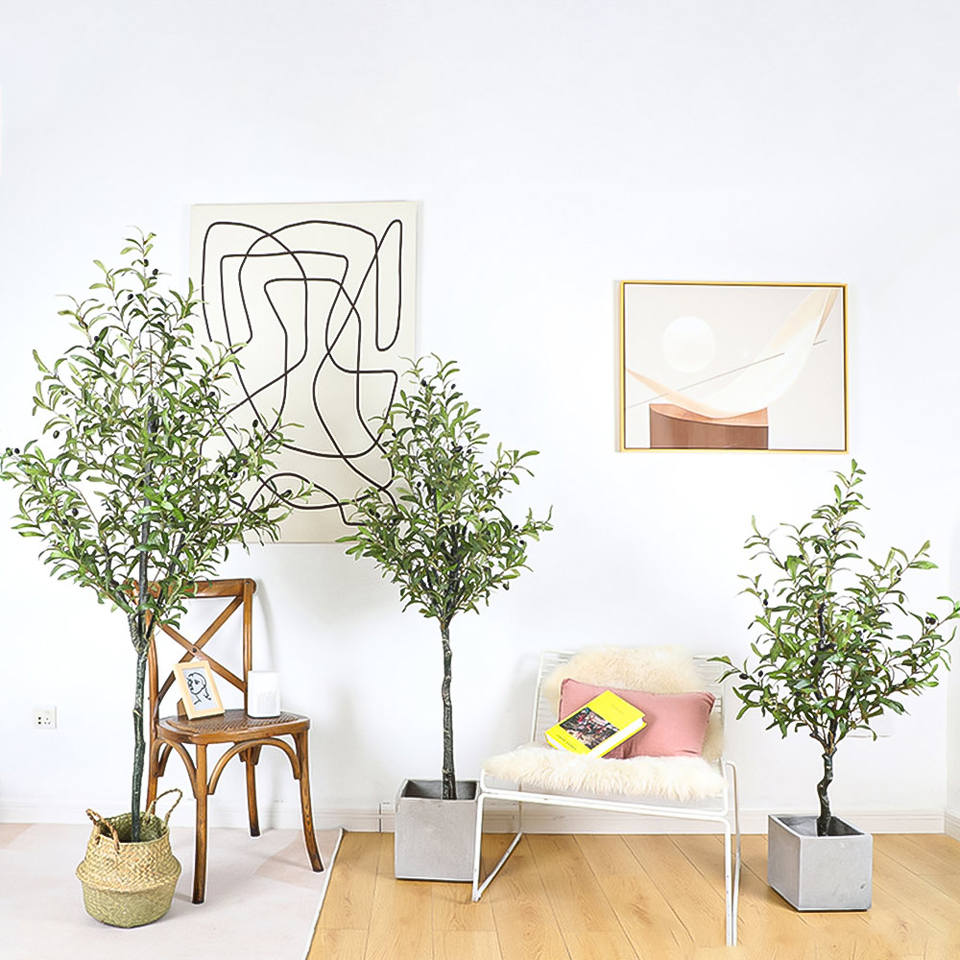
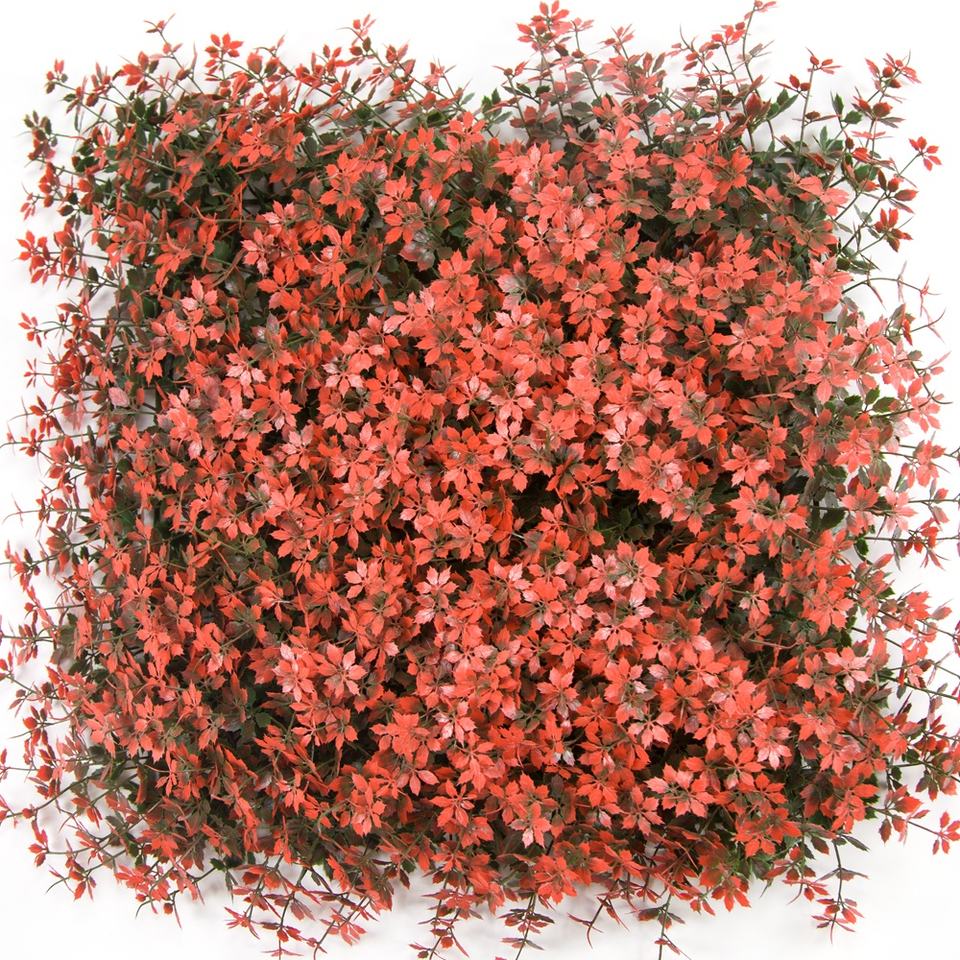
Premium Synthetic & Floral Collection
Our top-rated products for comprehensive courtyard ground and wall design layouts
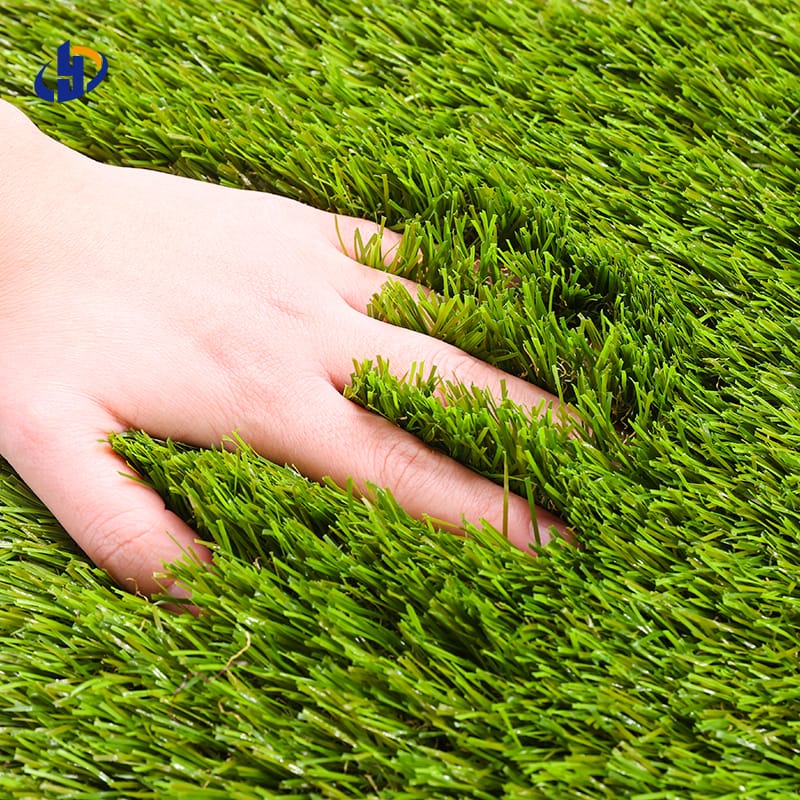
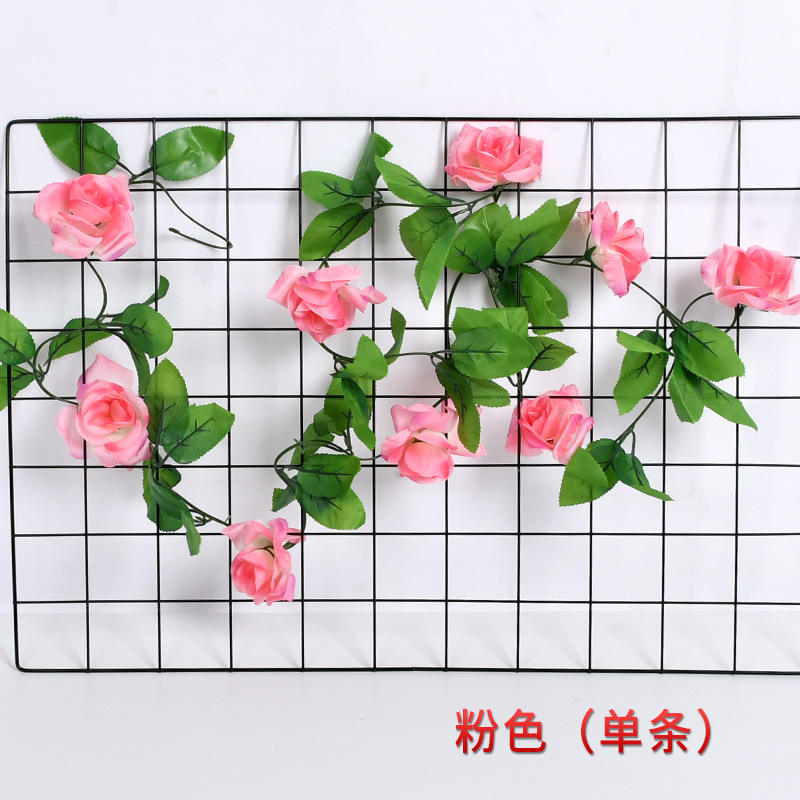
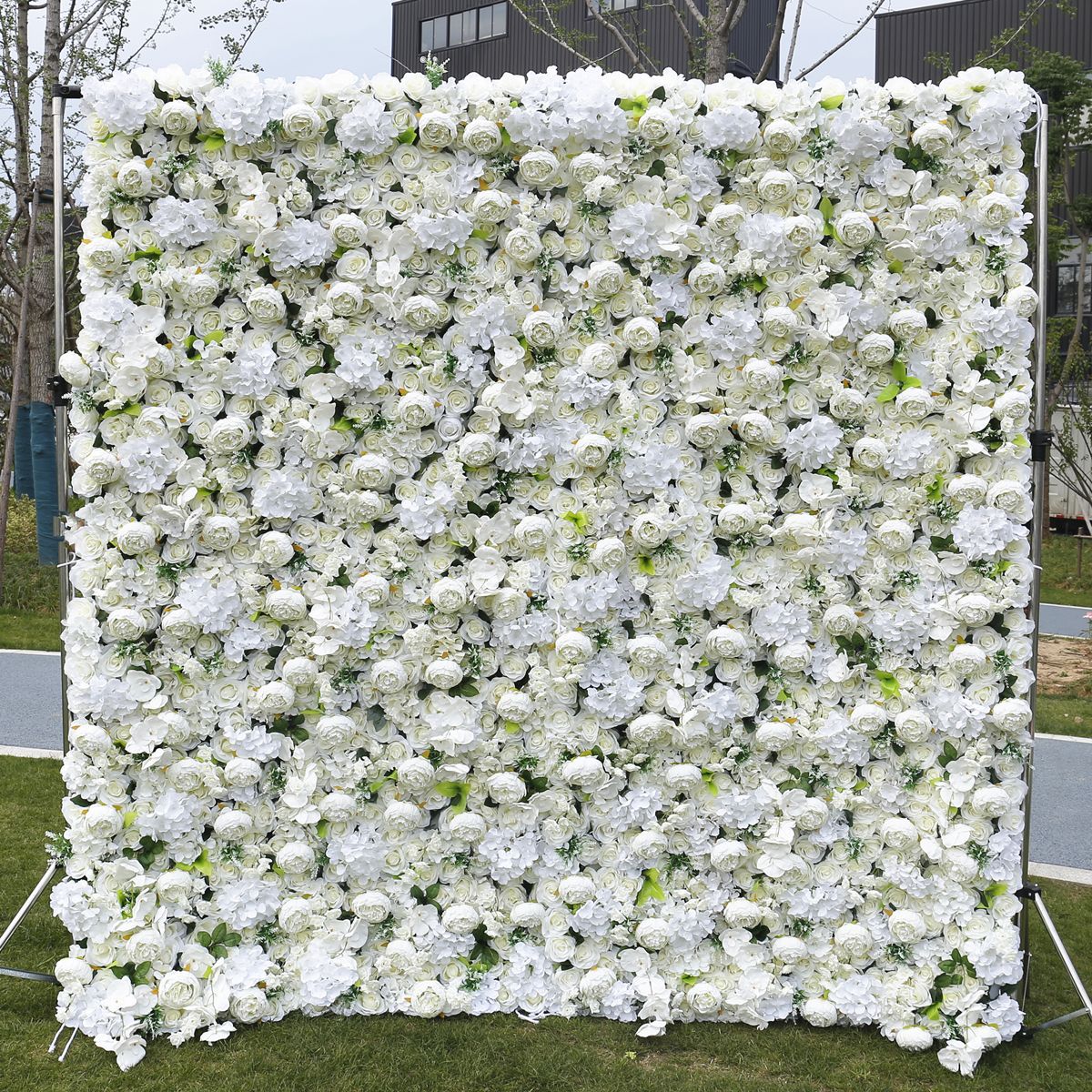
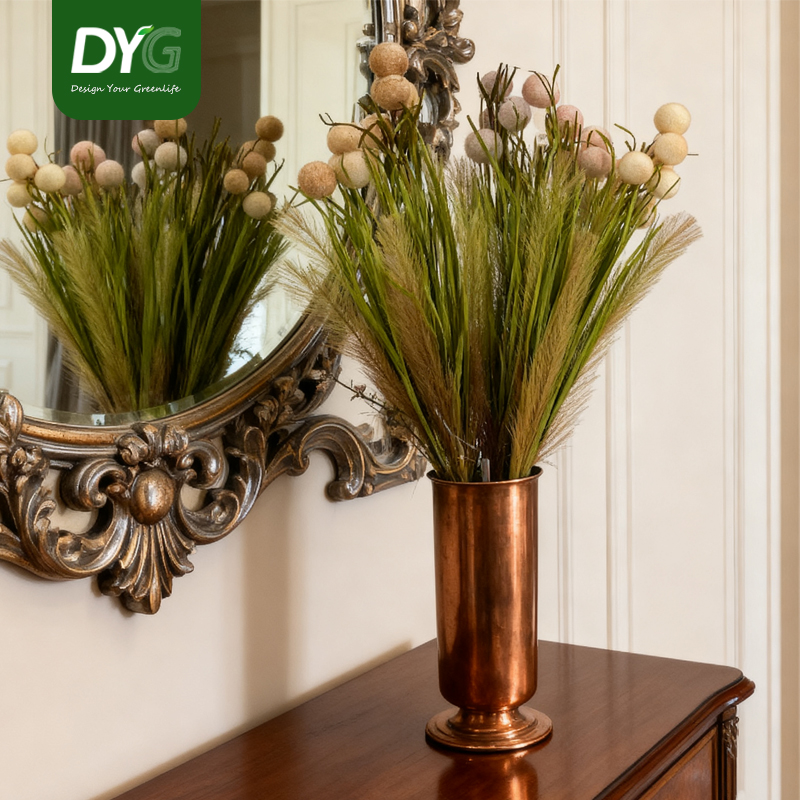
Additional Landscape & Decorative Solutions
Explore more specialized products from our custom manufacturing facilities


Get in touch with WHDY's professional design team for a free consultation.
Contact Us