Artificial turf infill refers to the dense, fine-grained material that sits at the bottom of an artificial turf system after installation. Infill acts as ballast, support, and absorbs the impact of athletes. Not all infills are created equal. Depending on the specific application of the artificial turf and the infill chosen, multiple adjustments to the turf and underlayment may be necessary. Ultimately, the installer will make the best judgment based on the chosen application. In terms of weight, infill is significantly heavier than any other component in an artificial turf system.
Many factors need to be considered when choosing infill. The location of the artificial turf installation, required performance, durability, safety, budget, and maintenance costs should all be taken into account when selecting the appropriate infill system. As always, your installer is the best person to determine the most suitable infill for your product.
Common Infill Types
Round Silica Sand
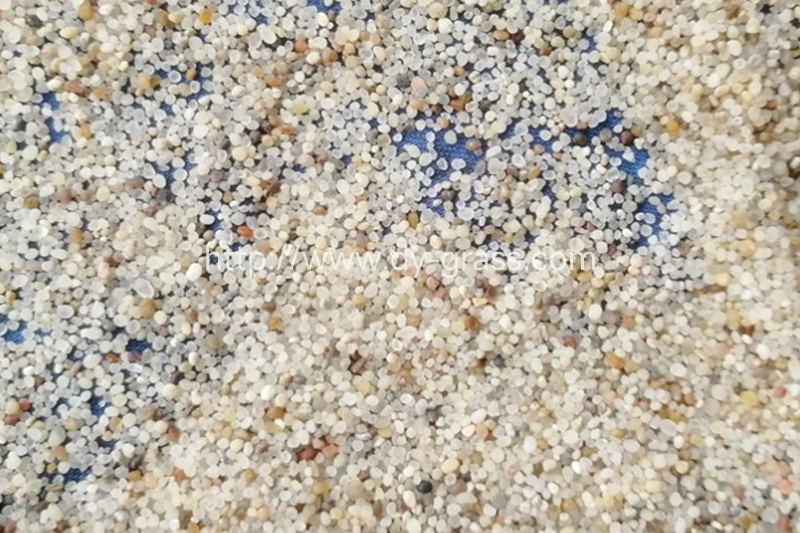
Silica sand coated with a coating offers excellent durability and stable performance. The rounded shape of the sand grains prevents compaction, while the antimicrobial coating inhibits bacterial growth in the infill layer.
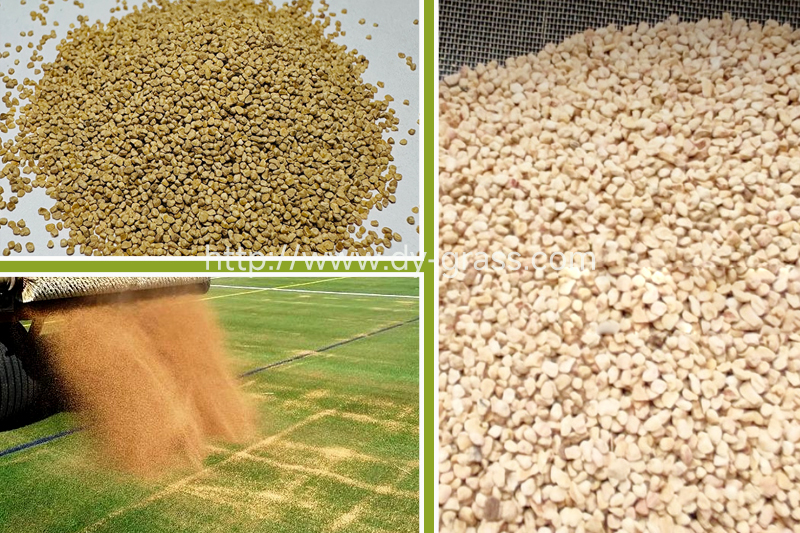
Organic
Definition: There are many organic options available today, including walnut shells, cork, and cork/coconut blends.
Therefore, your filling needs may differ from your neighbors’, depending on your specific application and your dealer’s preferences. If you have any questions or need guidance, consult your dealer/installer; they will be happy to assist you.
Post time: Mar-09-2026