

Garden Green Wall For Outdoor Garden Landscaping: The Ultimate Guide
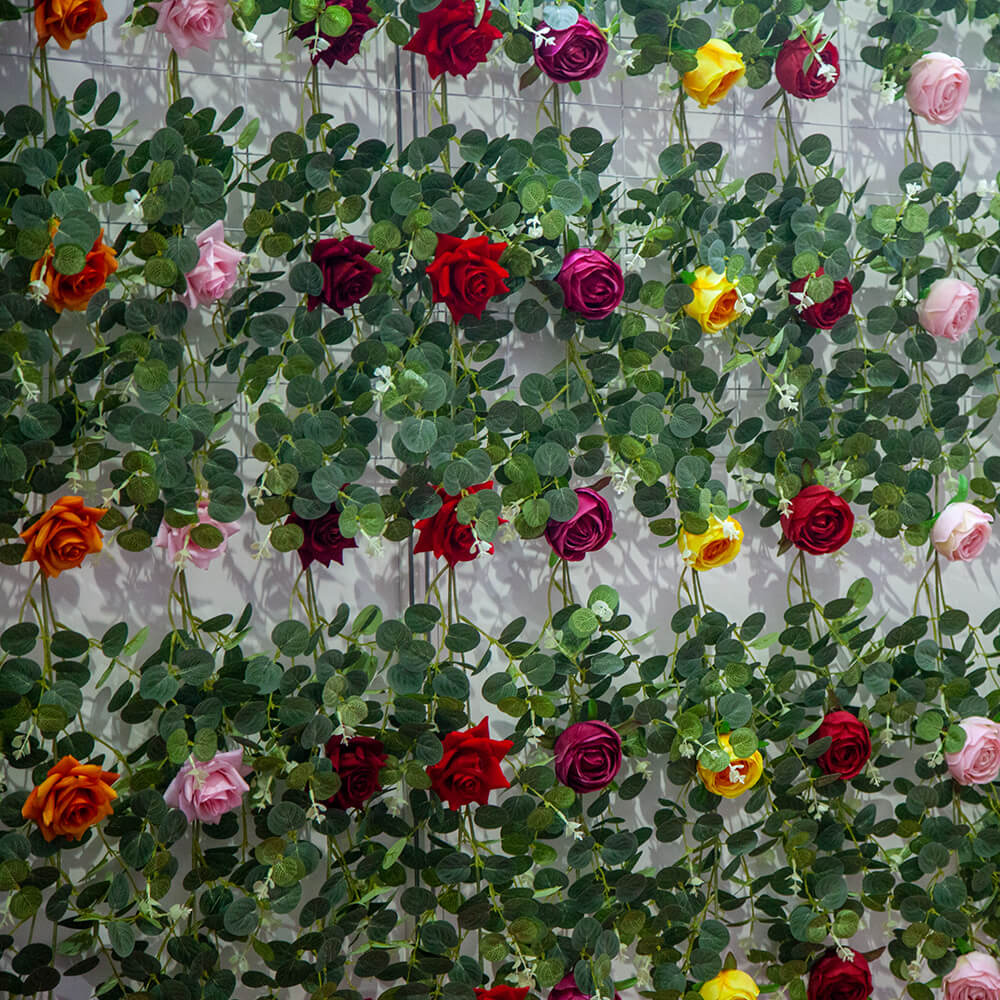
In the contemporary landscape of urban architecture and garden design, the integration of green wall technology has emerged as a revolutionary trend. A Garden Green Wall For Outdoor Garden Landscaping represents the perfect marriage of nature and modern technology. As cities expand and horizontal space becomes increasingly scarce, vertical surfaces offer a clean canvas for ecological restoration, aesthetic enhancement, and commercial value creation. WHDY, a pioneer in artificial landscaping, is leading this transition by providing state-of-the-art synthetic foliage and turf systems that withstand the elements while providing year-round beauty.
1. The Commercial and Industrial Status of Vertical Landscaping
The global market for vertical greening systems has witnessed exponential growth over the past decade. Driven by municipal regulations promoting urban greening, corporate sustainability initiatives, and a growing consumer preference for biophilic design, green walls are no longer luxury additions—they are architectural necessities. The market is shifting from high-maintenance live plant systems to advanced synthetic green walls. Live green walls require complex irrigation grids, continuous chemical treatment, and suffer from high mortality rates due to seasonal extremes. Consequently, developers, landscape designers, and commercial property managers are increasingly specifying high-density, UV-stabilized artificial green walls to achieve their design goals with zero structural water damage risks and zero maintenance overheads.
2. Industrial Evolution: From Simple Ivy to Advanced Synthetic Foliage
Artificial landscaping has evolved through four distinct developmental stages. In its infancy, synthetic foliage was made of cheap plastics that faded rapidly under sunlight and looked artificial. Today, WHDY's products represent the fourth generation of vertical greening technologies. Our current product lines are manufactured using advanced polymers infused with premium UV-inhibitors and fire-retardant compounds directly into the material structure. This ensures that the green walls remain vibrant, flexible, and safe in temperatures ranging from freezing winters to scorching summer heat. Looking forward, our R&D team is actively pursuing breakthroughs in biodegradable and bio-based plastics, aiming to deliver the world's first fully circular, eco-friendly artificial green wall systems that leave zero environmental footprint at the end of their lifecycle.
3. Deeper Application Scenarios & Architectural Integration
The versatility of a Garden Green Wall For Outdoor Garden Landscaping allows it to solve complex structural and aesthetic challenges across various sectors:
- Urban Heat Island Mitigation: Synthetic vertical gardens installed on building envelopes act as thermal barriers, reflecting solar radiation and reducing the ambient temperature of concrete-heavy urban centers.
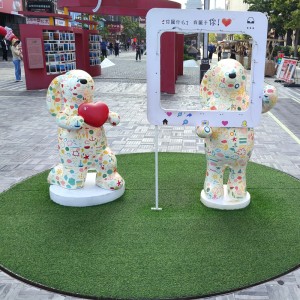
- Commercial Facades & Retail Branding: Modern shopping plazas and corporate offices use large-scale artificial hedges to project an eco-conscious brand image, attracting foot traffic and creating iconic photo backdrops.
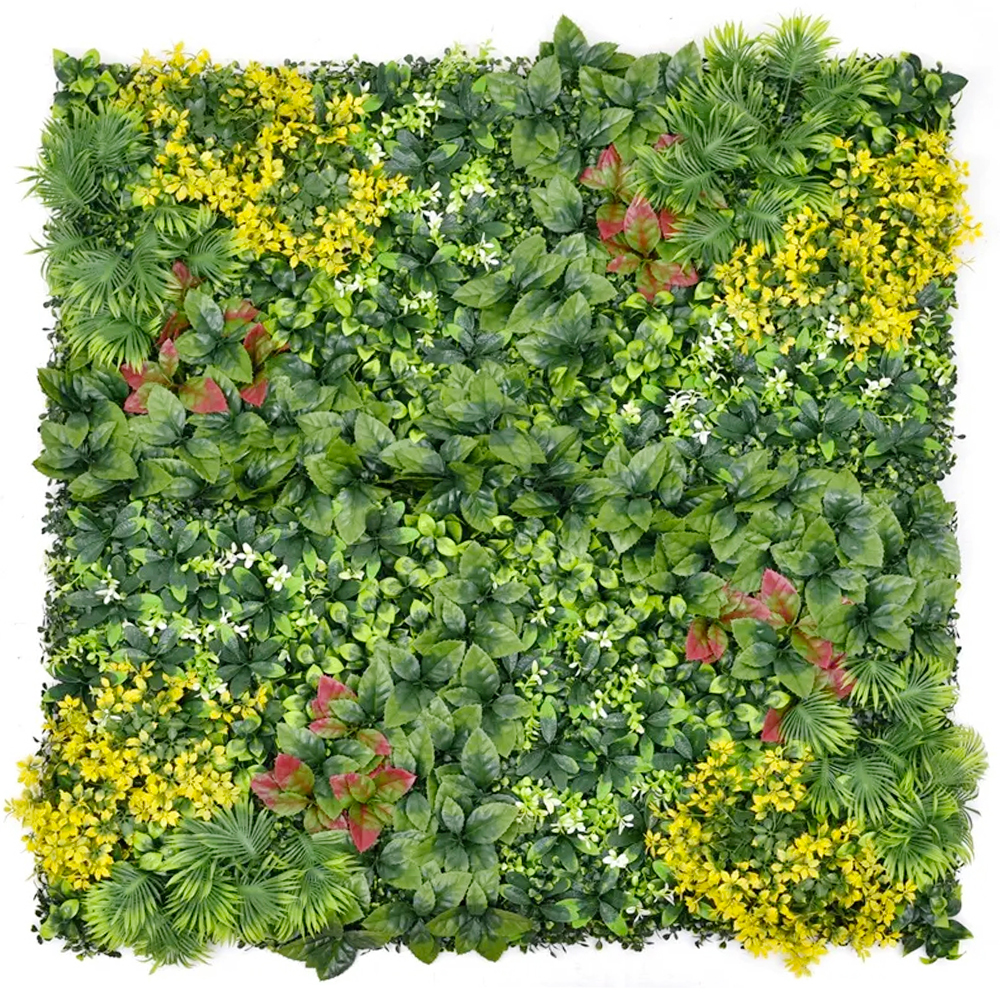
- Residential Privacy Screens: Homeowners utilize boxwood panels and expandable willow trellises to block unsightly views, shield patios from neighbors, and create lush, private outdoor sanctuaries.
- Acoustic Buffering: The multi-layered structure of our synthetic foliage panels acts as a natural sound diffuser, absorbing high-frequency city noise and creating quieter, more relaxing outdoor environments.
4. Technical Performance: Built to Endure Real-World Punishment
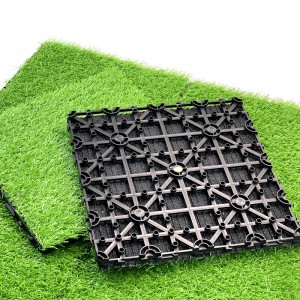
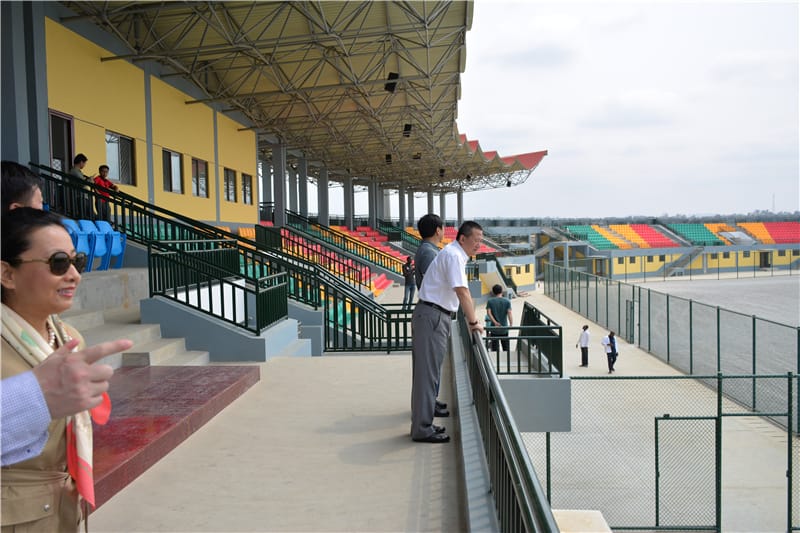
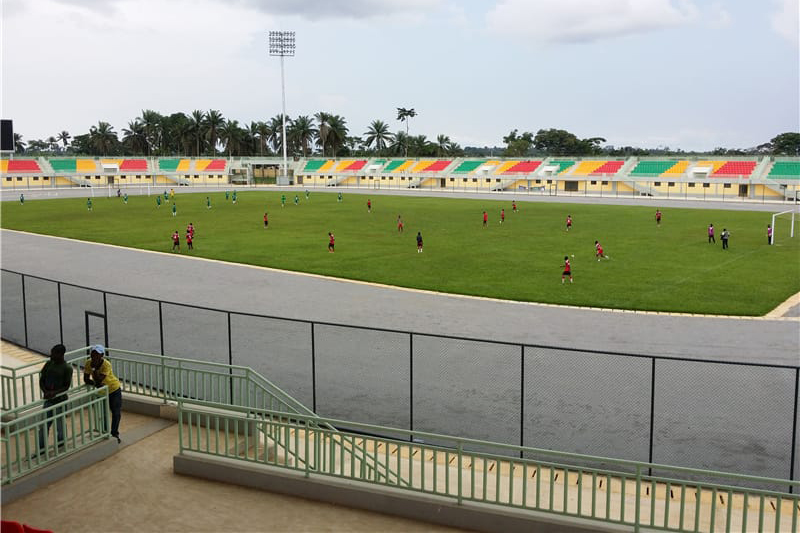
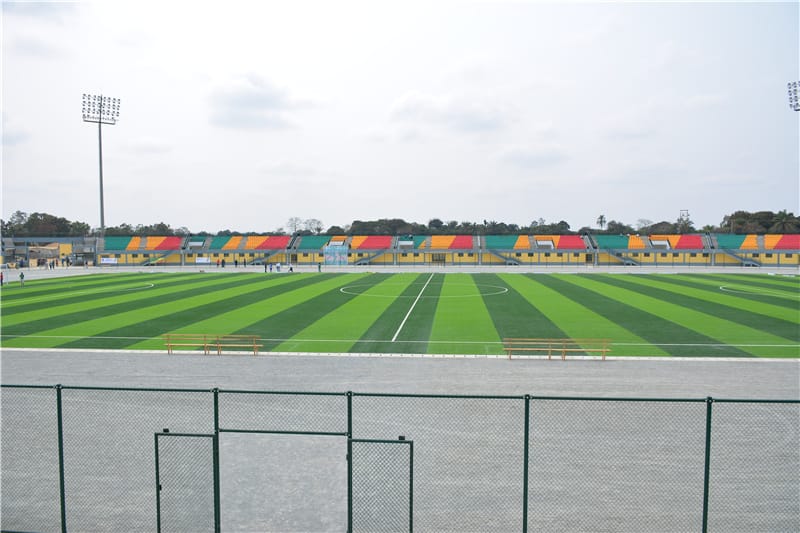
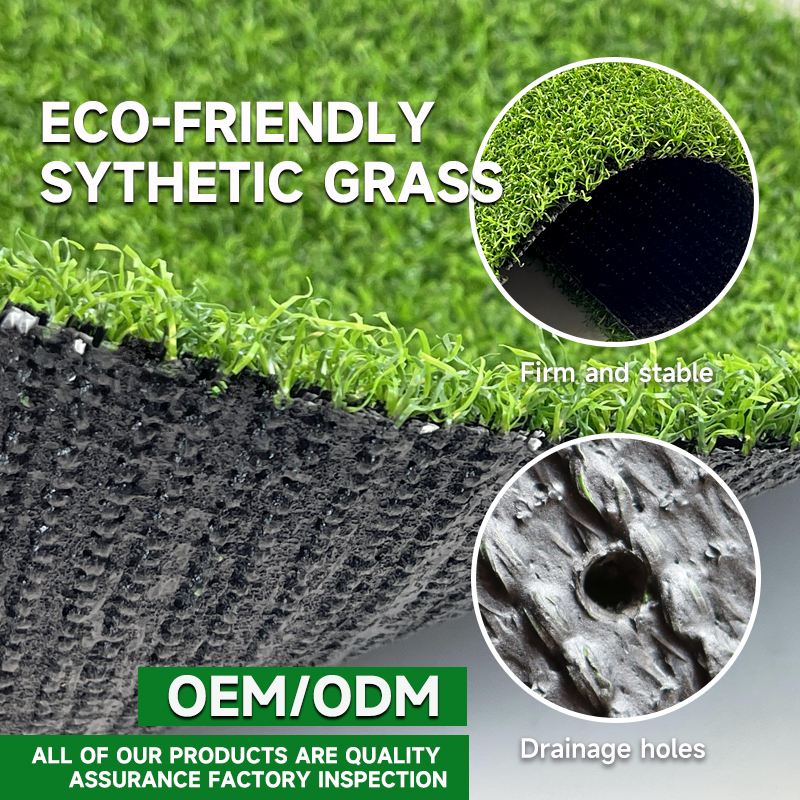
Outdoor installations demand materials that can endure severe weather conditions. Just as WHDY's athletic fields are built to sustain the extreme physical punishment of professional sports, our outdoor green wall panels are engineered for physical resilience. High winds, heavy downpours, and intense UV exposure can degrade sub-par materials within months. WHDY green walls utilize robust interlocking backing grids that distribute wind loads evenly, preventing tearing or detachment. Furthermore, our synthetic grass and foliage fibers undergo rigorous testing to ensure colorfastness and structural integrity, making them the preferred choice for commercial projects globally.
5. Future Trends: AI-Driven Design and Smart Green Infrastructure
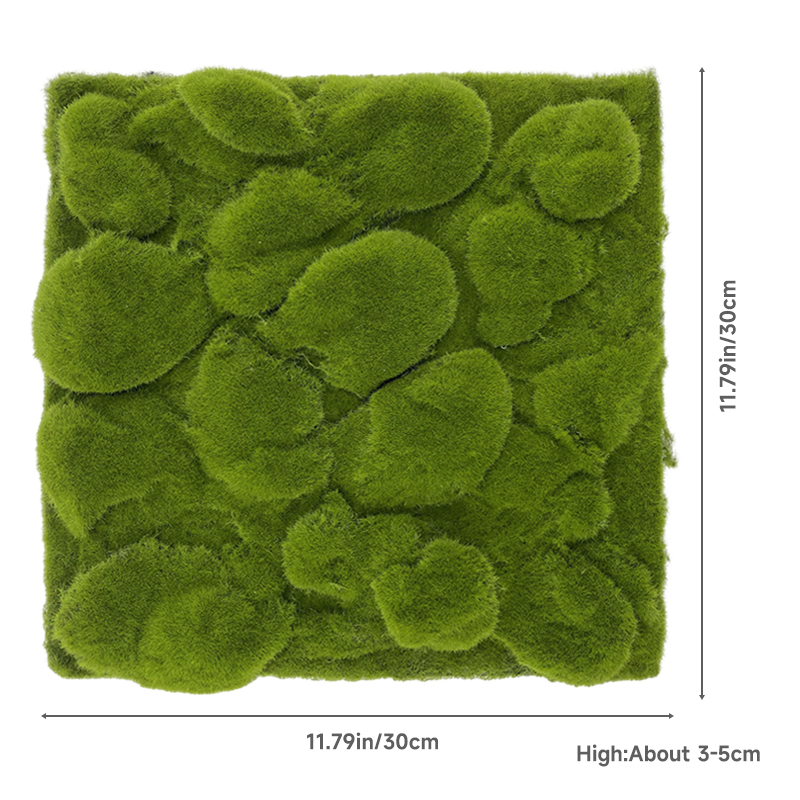
The future of landscaping lies in customization and digital integration. Landscape architects are now using AI-assisted design software to model wind loads, sun exposure, and structural requirements before installing vertical gardens. By matching these digital models with WHDY's diverse product catalog—ranging from tropical foliage panels to realistic moss walls—designers can curate customized botanical mixes that harmonize with the local architectural style. Additionally, the integration of smart outdoor lighting systems with artificial green walls allows for stunning night-time displays, turning plain walls into illuminated, multi-dimensional art installations.