Featured Commercial Landscaping Solutions
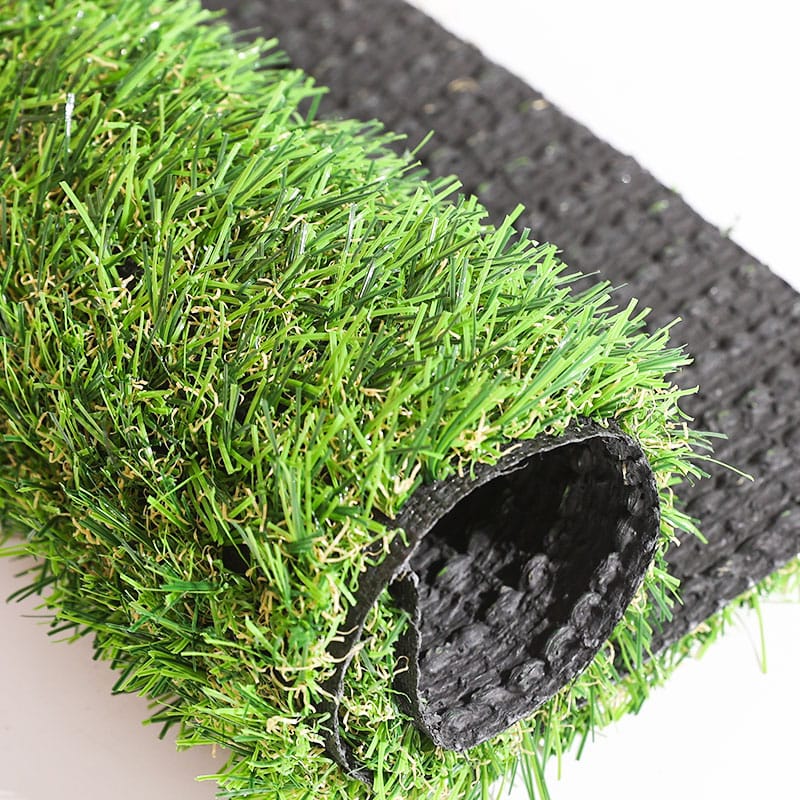
Commercial Wall Fence Synthetic Turf Carpet for Corporate Beautification
View Details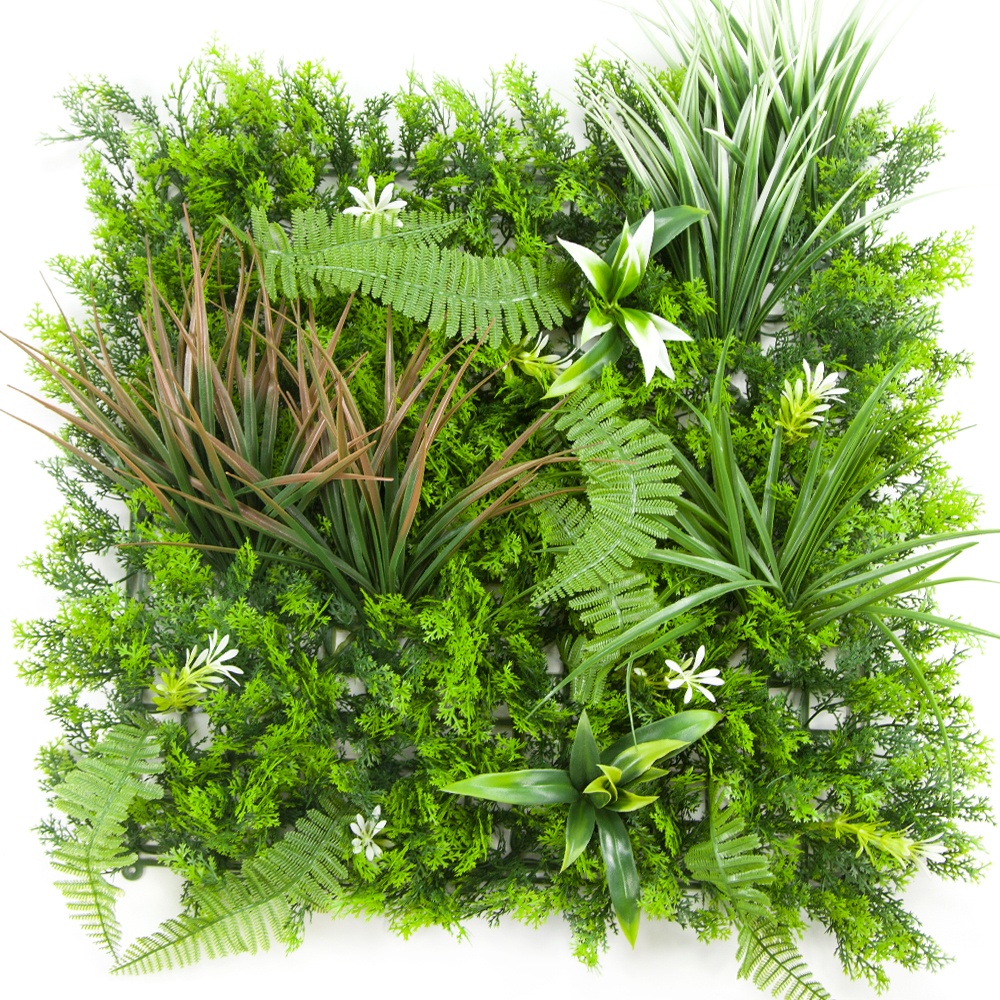
UV-Protected Faux Eucalyptus Hedge & Greenery Backdrop for Mall Landscaping
View Details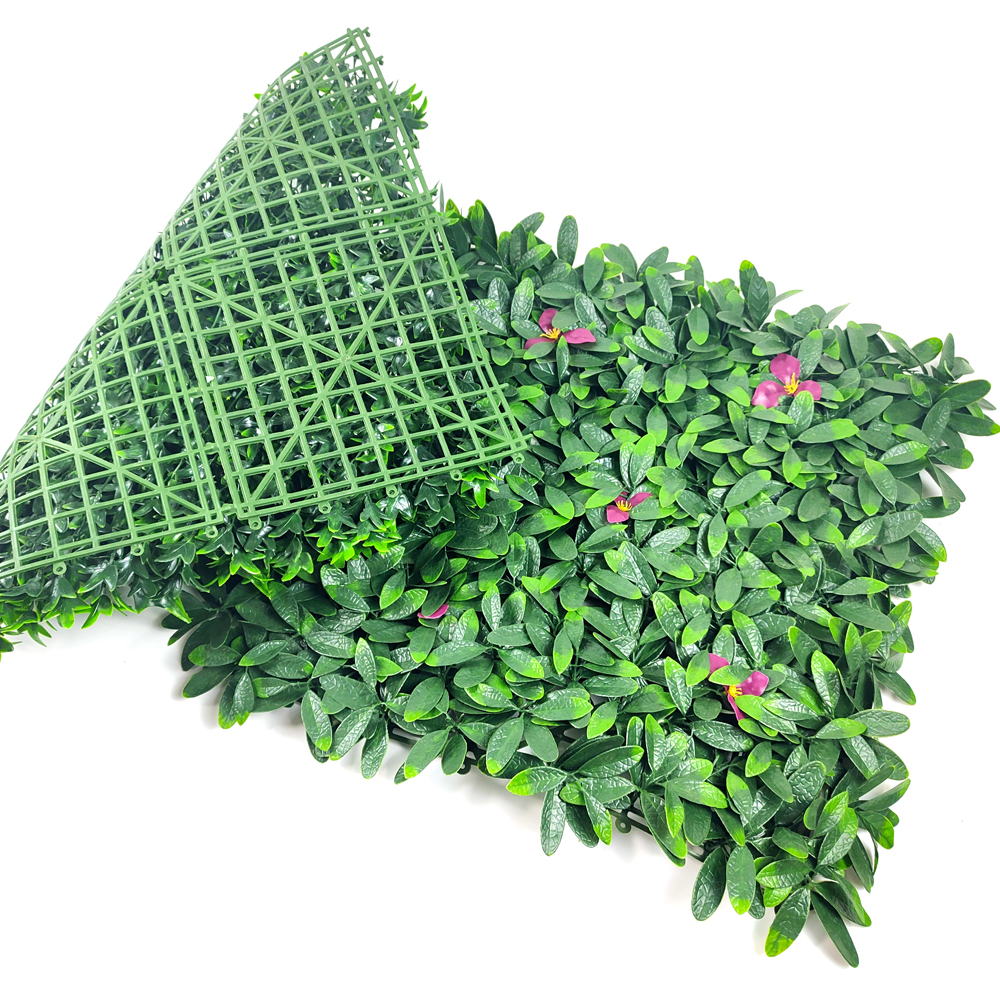
Vertical Garden Boxwood Hedge Panel for Hotel & Office Interior Decoration
View Details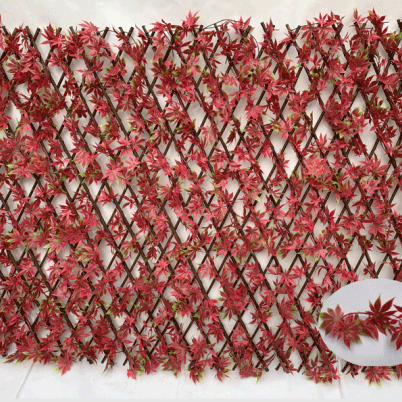
Wholesale Expandable Foliage Trellis & Ivy Fence for Outdoor Cafe Dividers
View DetailsThe Commercial & Industrial Paradigm Shift in Modern Landscaping
Commercial architecture, corporate park design, and urban public spaces are undergoing a profound transformation. Globally, businesses are recognizing the immense value of integrating green spaces into their corporate environments. However, maintaining natural lawns in high-traffic commercial zones presents substantial challenges, including skyrocketing water bills, continuous labor costs, pesticide contamination, and seasonal discoloration. This is where the application of artificial grass for commercial landscape beautification has transitioned from a trend to an essential industry standard.
Modern real estate assets demand sustainability and cost-efficiency. Artificial grass delivers a high return on investment (ROI) by eliminating water usage for landscaping, lowering maintenance labor, and maintaining a flawless, professional appearance 365 days a year, regardless of extreme weather conditions.
Market Growth & Global Demand Dynamics
The global commercial artificial grass market is expanding rapidly, with a projected compound annual growth rate (CAGR) exceeding 8% over the next decade. Urbanization and strict environmental regulations are the primary drivers of this growth. In regions facing persistent droughts, such as parts of North America, Europe, and the Middle East, municipal codes are actively incentivizing or demanding the replacement of natural grass with waterless alternatives. Corporate headquarters, shopping malls, boutique hotels, and educational campuses are leveraging synthetic turf to achieve LEED (Leadership in Energy and Environmental Design) points by dramatically reducing outdoor water consumption.
Technological Evolution: The "Fourth Stage" and Beyond
Synthetic turf technology has advanced dramatically since its inception. The industry has evolved through four key historical stages:
1. First Generation: Basic, stiff nylon fibers that lacked natural texture and caused skin abrasions, used primarily in early sports stadiums.
2. Second Generation: Introduction of polypropylene fibers, offering a slightly softer feel but still suffering from quick degradation under UV sunlight.
3. Third Generation: Polyethylene fibers combined with infill materials (like silica sand and crumb rubber), providing a realistic texture and bounce.
4. Fourth Generation (Current WHDY Standard): Multi-directional, multi-tone, non-infill systems featuring advanced UV stabilizers, heat-reflective technology, and high-resilience polymer structures that perfectly mimic the touch, look, and safety of natural grass.
At Weihai Deyuan Network Industry Co., Ltd. (WHDY), our product research is firmly rooted in this fourth generation. We are actively pushing boundaries to pioneer the next wave of innovation: fully biodegradable and highly recyclable materials. By focusing on circular-economy manufacturing, we aim to deliver commercial turf systems that can be entirely recycled at the end of their lifecycle, minimizing landfill waste and helping our clients meet their strict ESG (Environmental, Social, and Governance) targets.
Explore Our Premium Product Categories
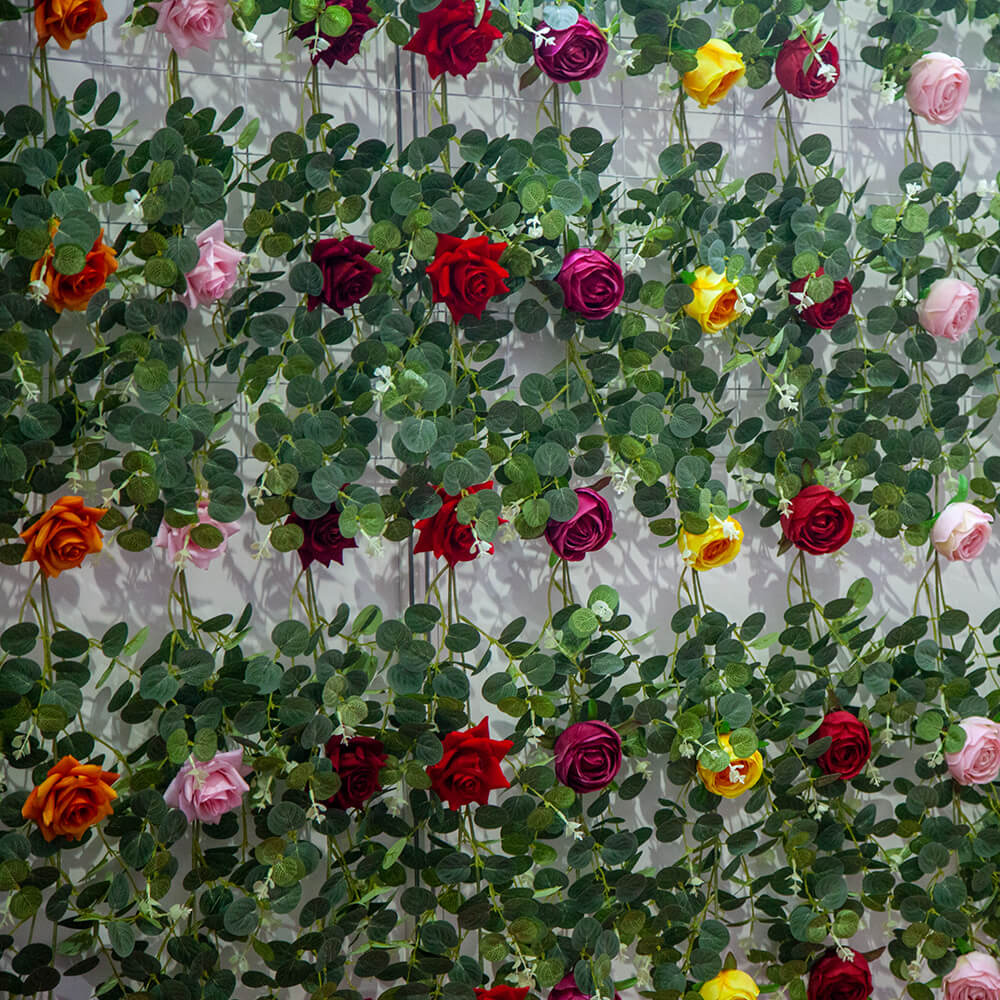
Artificial Hanging Plants
Explore Category
Artificial Flowers
Explore Category
Artificial Green Walls
Explore Category
Artificial Turf & Grass
Explore Category
Artificial Trees
Explore Category
Artificial Topiary Balls
Explore CategoryDeep Dive: Commercial Application Scenarios of Synthetic Greenscapes
The versatility of modern synthetic grass allows it to transcend traditional ground-cover applications. Forward-thinking architects and interior designers are integrating these products into diverse, high-impact commercial scenarios:
1. Corporate Headquarters & Office Patios
Employee well-being is directly correlated with access to green environments. Incorporating artificial grass into office courtyards, rooftop break areas, and indoor collaborative zones creates a relaxing atmosphere that boosts productivity and reduces workplace stress. Because synthetic grass does not require soil or fertilizers, it can be installed directly on concrete balconies or indoor floors without risking structural water damage or attracting pests.
2. High-Traffic Retail Malls & Lifestyle Centers
Retail environments experience immense foot traffic that would quickly turn natural grass into muddy paths or bare dirt patches. High-density synthetic turf preserves its lush, vibrant green appearance under heavy traffic. It is widely used to define children's play zones, experiential retail displays, community gathering plazas, and outdoor dining patios. The mud-free nature of synthetic turf also ensures that visitors do not track dirt into indoor retail shops.
3. Hospitality, Luxury Resorts & Event Venues
For hotels and event spaces, visual perfection is mandatory. Natural lawns are highly susceptible to seasonal changes, weed infestations, and wear-and-tear from large events like outdoor weddings and corporate parties. By utilizing premium landscape artificial grass, hospitality venues guarantee a pristine, photogenic backdrop year-round, while eliminating the noise and disruption of lawnmowers and maintenance crews during guest stays.
4. Urban Rooftops, Balconies & Vertical Facades
Urban heat islands are a major challenge in modern cities. Rooftop greening helps mitigate this effect. However, the weight of soil and irrigation systems required for natural plants is often structurally prohibitive. Lightweight synthetic grass, coupled with vertical garden wall panels and artificial hedges, allows buildings to create stunning sky gardens and green facades without structural reinforcement or complex plumbing.
Using products like WHDY’s artificial boxwood panels and expandable willow trellis hedges, designers can transform cold concrete fences and blank interior walls into vibrant, texture-rich vertical gardens. This not only enhances visual aesthetics but also acts as an acoustic dampener, reducing ambient noise in busy commercial hallways.
About Weihai Deyuan Network Industry Co., Ltd.
Weihai Deyuan Network Industry Co., Ltd. is an experienced company which focuses on the trade of Artificial Grass and Artificial plants.
Our main products include Landscaping Grass, Sports Grass, Artificial Hedges, and Expandable Willow Trellises. Headquartered in the beautiful coastal city of Weihai, Shandong Province, China, WHDY operates through a highly organized global network. We have established two primary cooperative production plant zones: one located in Hebei Province and the other in Shandong Province. Additionally, our cooperative manufacturing facilities span across Jiangsu, Guangdong, Hunan, and other key industrial provinces. This robust supply network allows us to provide a diversified, stable, and timely supply of goods to our international clients.
We maintain a strong market presence in EMEA, the Americas, and Southeast Asia. WHDY adheres to the core philosophy that clients always come first. We focus on developing tailored marketing solutions and regional product designs to meet the unique requirements of diverse markets, helping our partners maximize their commercial benefits.


Professional Design
Good Quality
Various Products
WHDY Manufacturing & Factory Tour
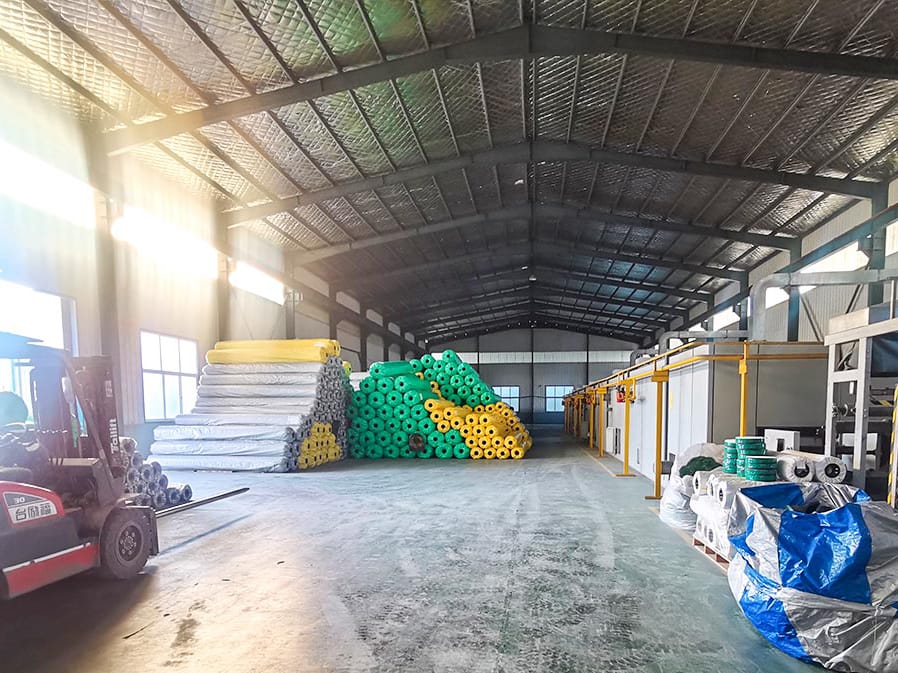
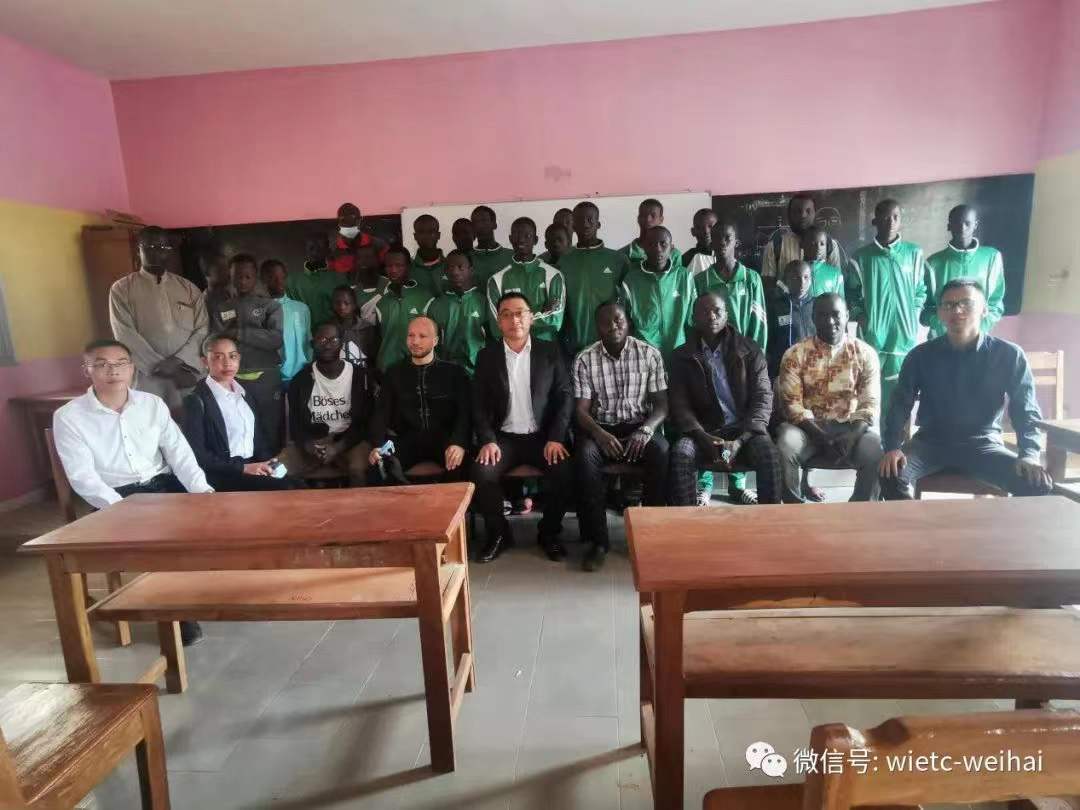
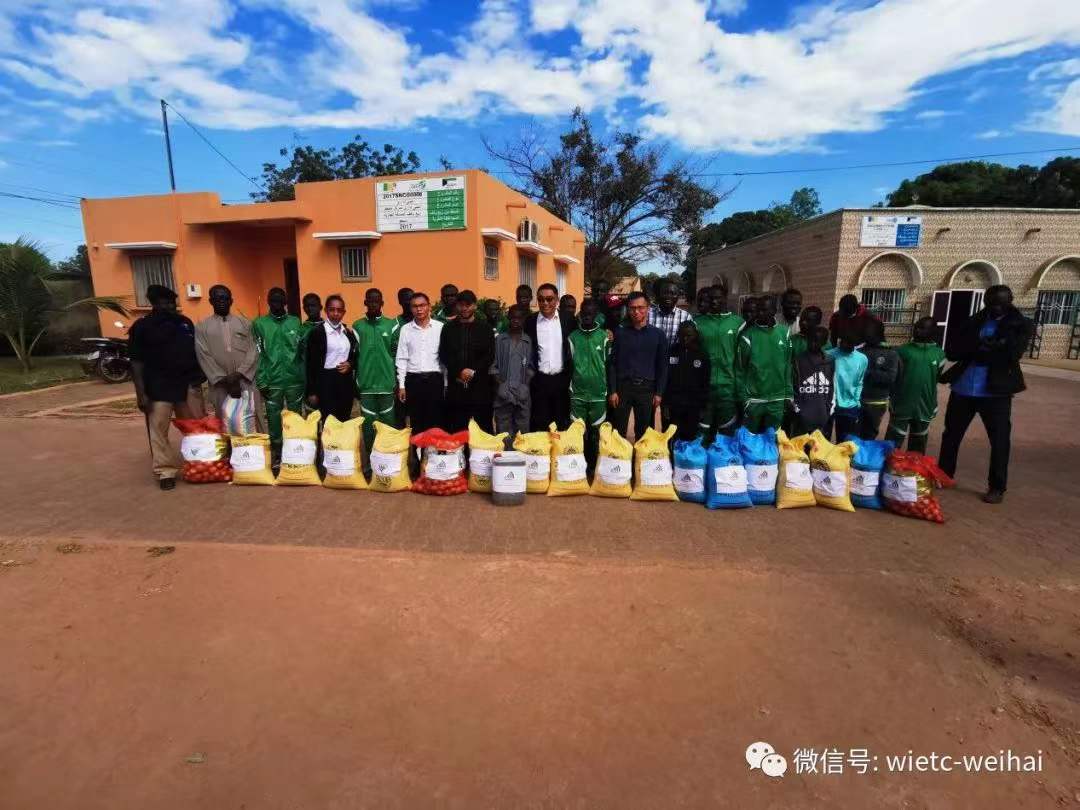
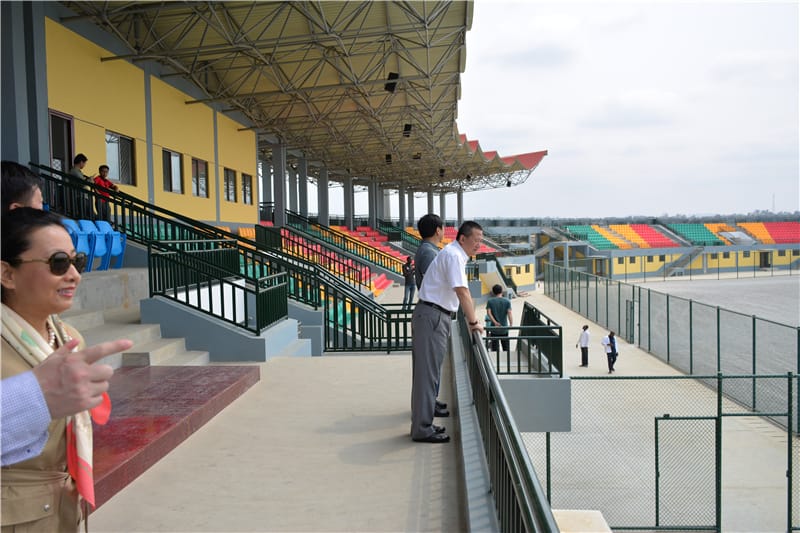
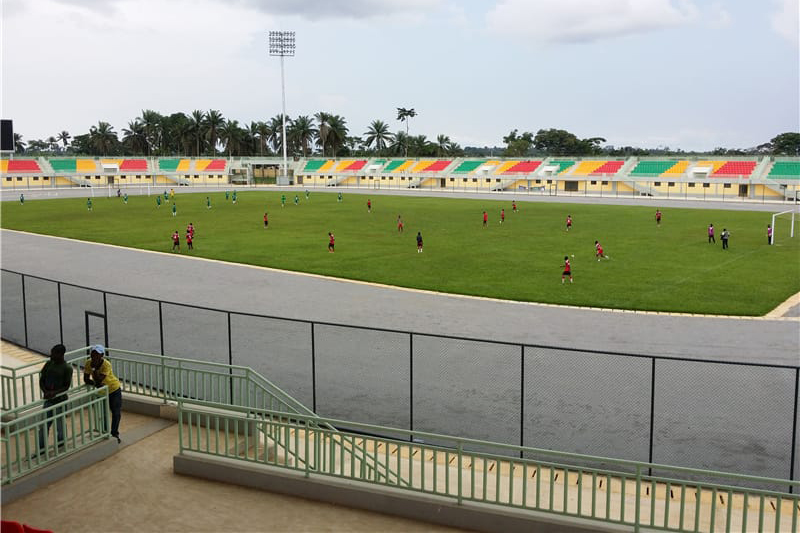
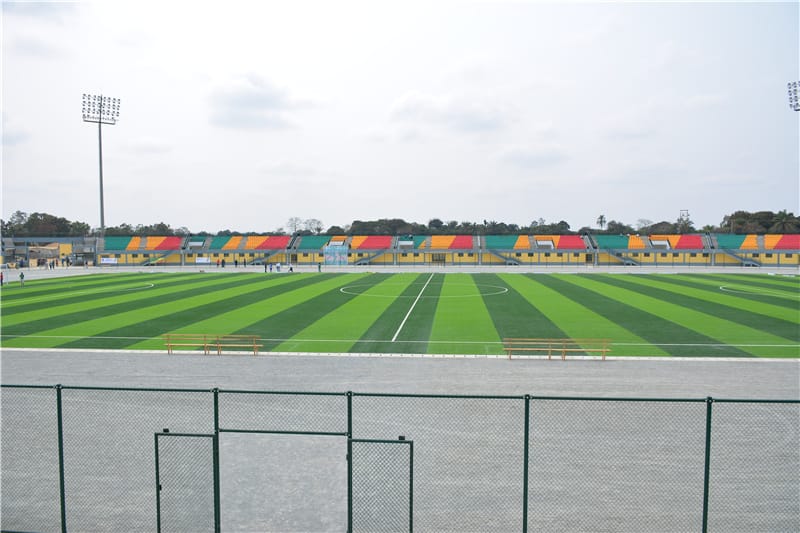
Our state-of-the-art cooperative factories employ advanced quality control systems, ensuring that every batch of synthetic turf, artificial hedge, and plant panel complies with global environmental and safety standards. Here is a glimpse into our manufacturing and logistics operations.
Environmental and Economic Impact of Synthetic Turf in Commercial Spaces
When evaluating landscaping options for commercial properties, developers must look beyond aesthetics to analyze the long-term environmental and financial impacts. Artificial grass stands out as a highly sustainable and economically viable solution.
Water Conservation and Resource Protection
According to environmental data, natural turf requires approximately 55 gallons of water per square foot annually to remain healthy. For a large commercial park of 20,000 square feet, this translates to over 1.1 million gallons of water consumed each year. By installing artificial grass, commercial properties conserve millions of gallons of water annually. Furthermore, synthetic turf eliminates the need for chemical fertilizers, herbicides, and pesticides, preventing toxic runoff from entering local groundwater systems and protecting urban biodiversity.
Long-Term Maintenance Cost Comparison (ROI)
While the upfront cost of installing high-quality synthetic grass is higher than seeding natural grass, the return on investment is achieved rapidly. Consider the following cost comparison over an 8-year period:
Natural Grass Expenses: Continuous water supply costs, weekly mowing labor, seasonal aerating and overseeding, fertilizer applications, weed control treatments, and lawnmower fuel and maintenance.
Synthetic Grass Expenses: Minimal cleaning (occasional rinsing and brushing to lift fibers) and zero water or chemical costs. Most commercial properties recoup their initial investment within 3 to 4 years, enjoying pure cost savings for the remaining lifespan of the turf (which typically exceeds 10 to 12 years under WHDY's premium quality standards).
Carbon Footprint Reduction
Gas-powered lawnmowers and trimmers emit significant amounts of carbon dioxide and other greenhouse gases. By removing the need for regular mowing, commercial properties significantly lower their operational carbon footprint, contributing directly to local clean-air initiatives and corporate carbon-neutrality targets.
Our Specialized Commercial Turf & Plants
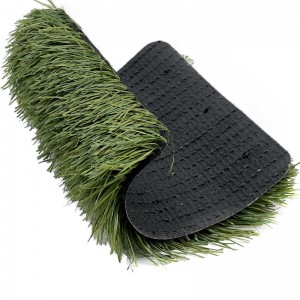
Football Soccer Turf Grass Green Artificial Grass Rug for Commercial Sports Flooring
View Details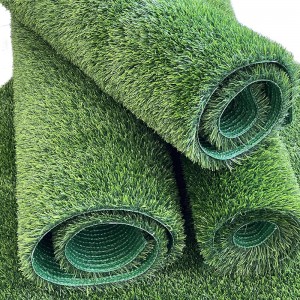
Customized Sizes Thick Synthetic Turf Mat for Commercial Balconies & Pet Zones
View Details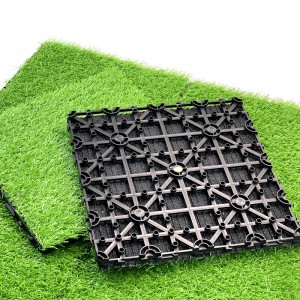
Self-Draining Interlocking Artificial Grass Turf Tiles for Commercial Patio Decor
View Details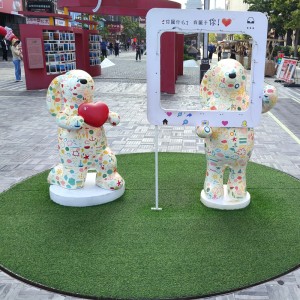
Custom Print Circular Pattern Artificial Grass for Creative Office Branding
View Details
Custom Artificial Grass Covered Animal Sculpture for Park & Shopping Mall
View Details
5m Fire Retardant Large Fake Date Palm Tree for Commercial Outdoor Landscaping
View Details
Outdoor Use Synthetic Turf Garden Carpet Grass for Park & Public Landscaping
View Details
Wholesale Plain PE Christmas Wreath 60cm for Commercial Holiday Decoration
View Details
DYG Artificial Boxwood Spiral Topiary Trees for Commercial Entryways & Porches
View Details
32"/80cm Tall Fluffy Faux Pampas Grass Decor for Commercial Lobby Floor Vases
View Details
5D Roll Up Wedding Greenery Wall & White-Green Hanging Flower Backdrop
View Details
Tropical Hanging Greenery Round Backdrop & Vegetation Wall for Events
View DetailsPremium Commercial Landscape Products
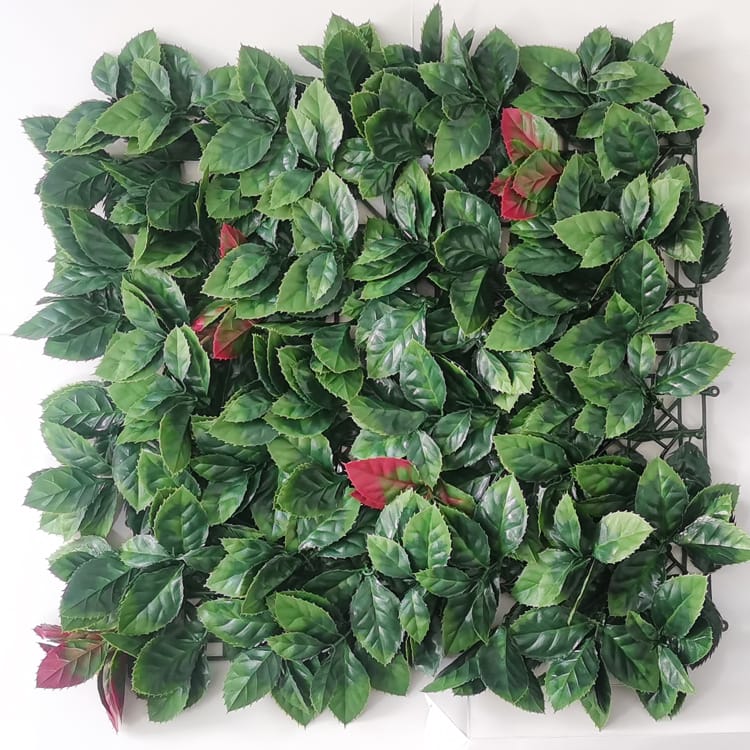
20x20 Sun-Protected Boxwood Panels for Commercial Exterior Fence Decor
View Details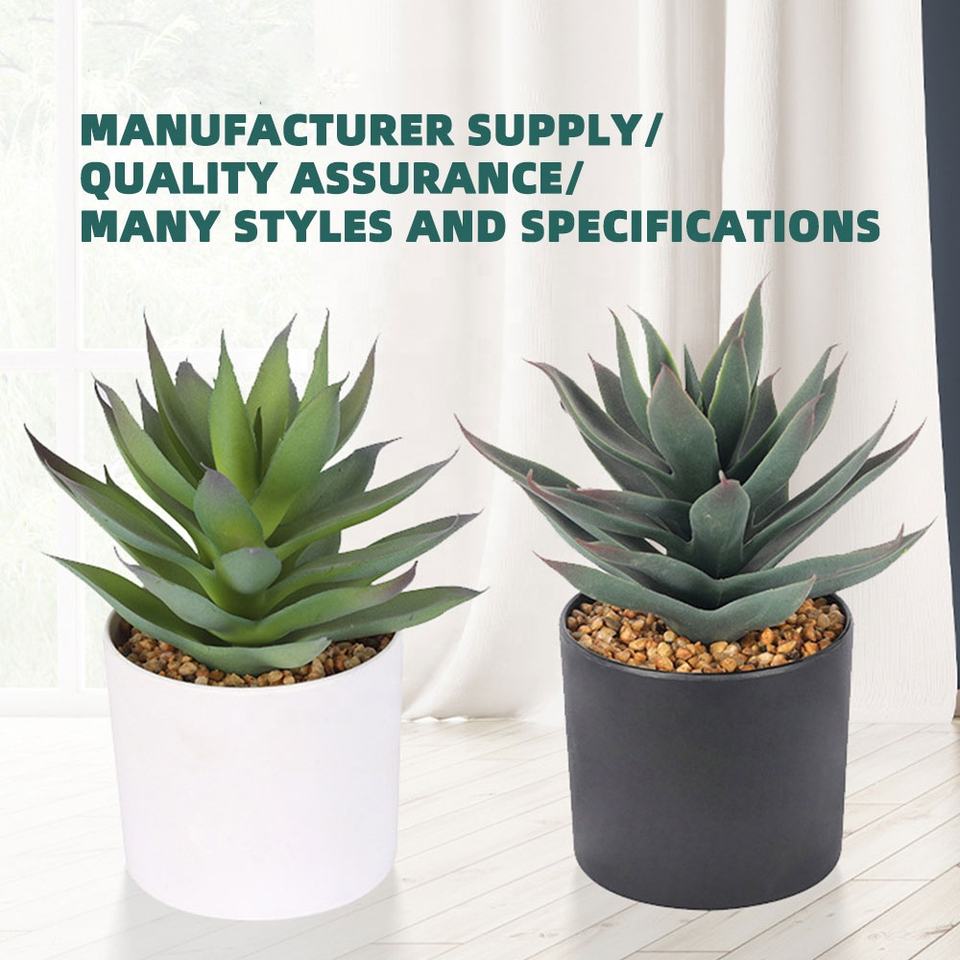
Premium Potted Faux Succulents & Cactus Bonsai for Commercial Desks
View Details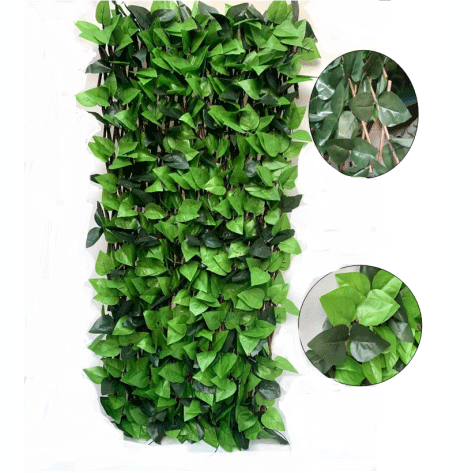
Expandable Willow Fence Trellis Hedge for Commercial Patio Zoning
View Details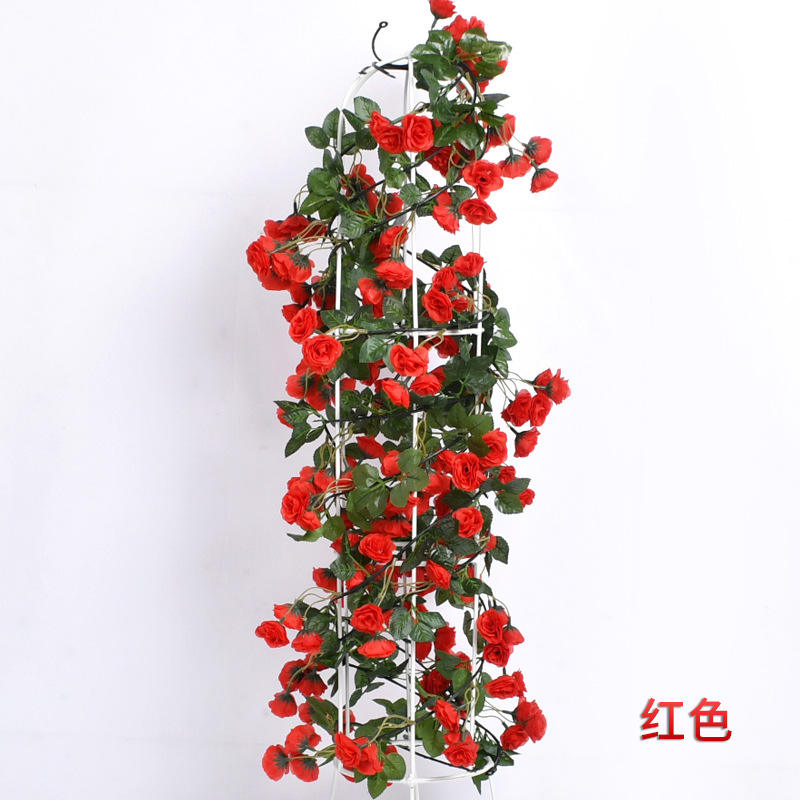
Aesthetic Hanging Ivy Garland & Silk Greenery Vines for Retail Displays
View Details
40mm Landscape Synthetic Turf Roll for Commercial Lawns & Gardens
View Details
UV-Protected Grass Wall Panels 20x20 for Indoor Event Greenery Backdrops
View Details
4-Layer Plant Wall Greenery Backdrop for Commercial Exhibition Venues
View Details